Build a condition record before buying used clubs
Separate visible condition, unknown specifications and conformity questions before a used-club purchase.
Updated:
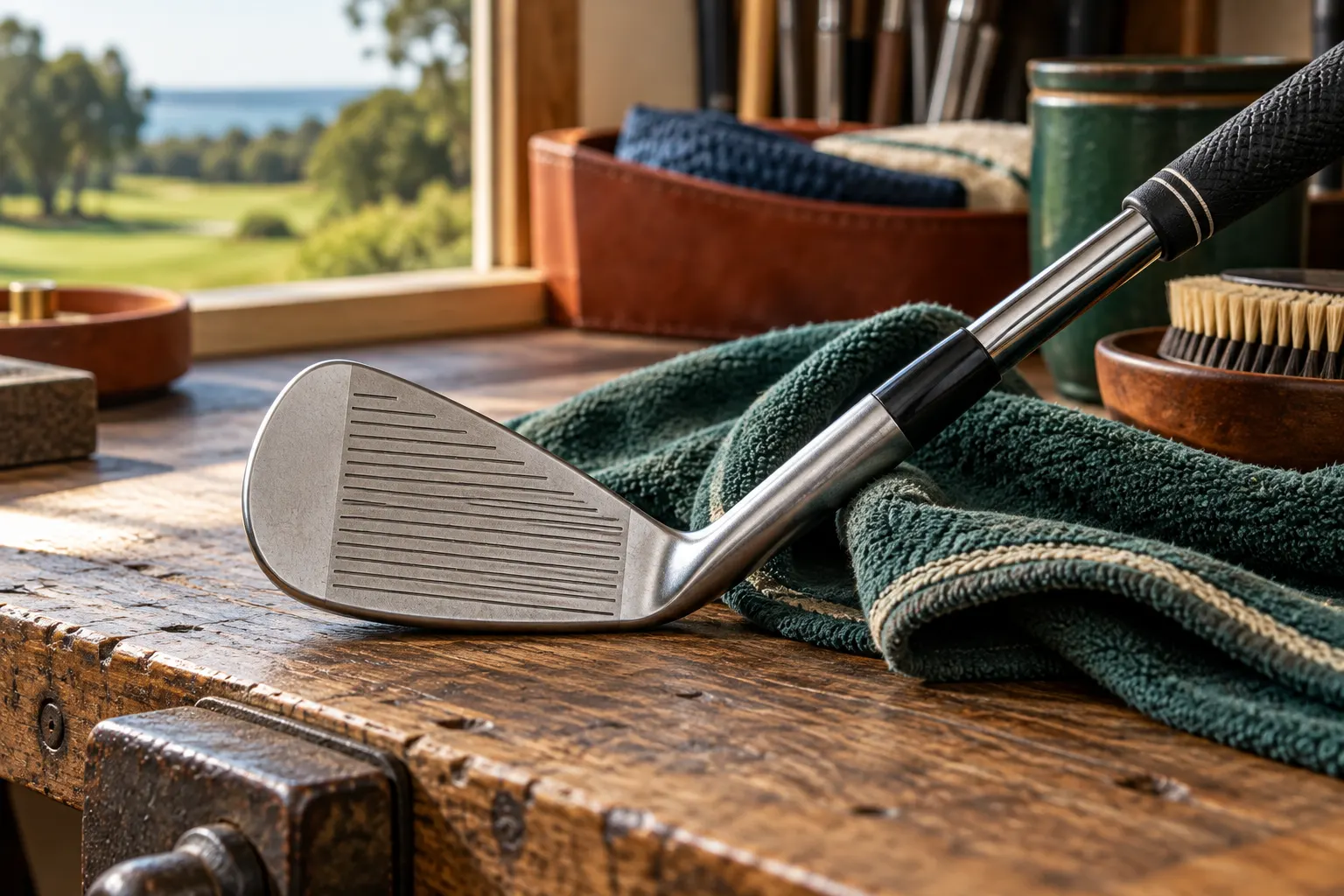
A photograph is a condition clue,not a complete assessment
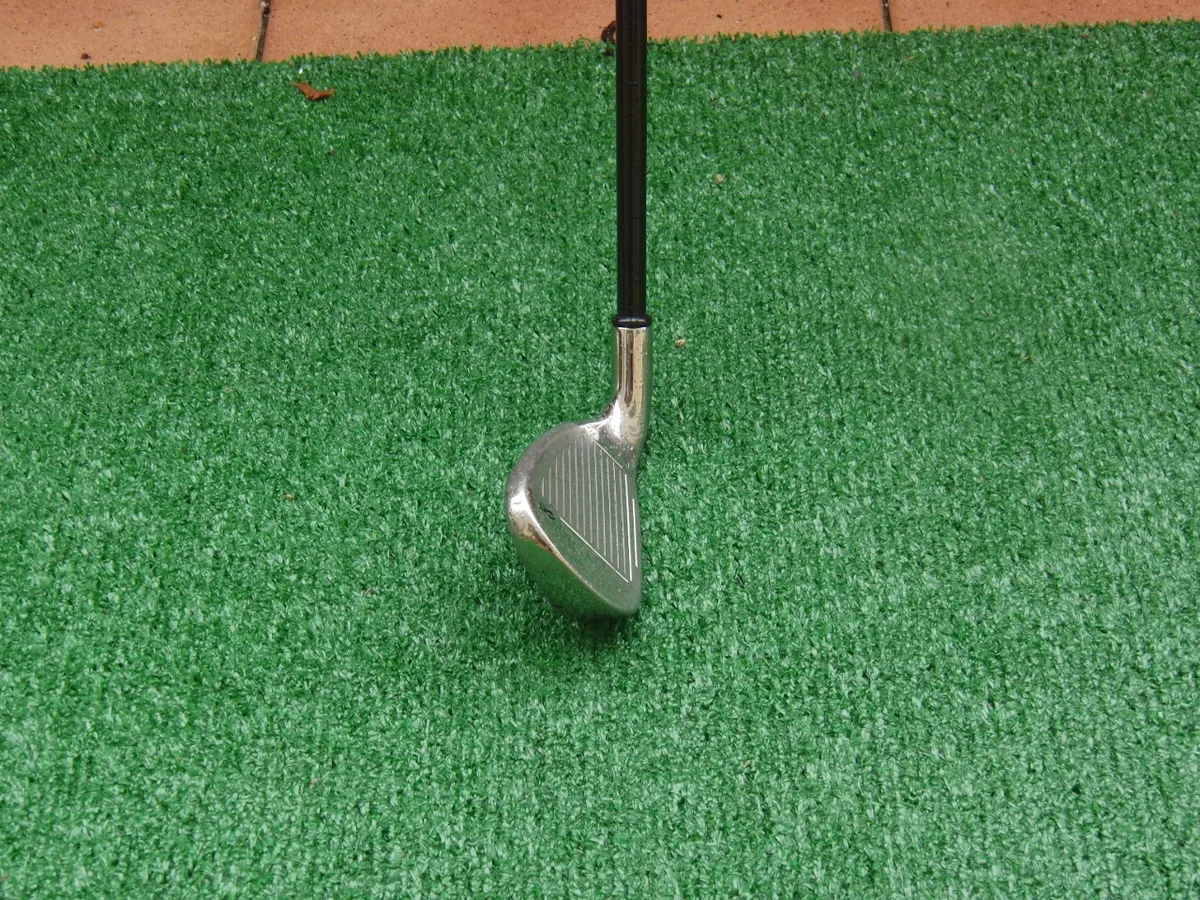
Start a used-club record with the exact model and what the available evidence actually shows. A photograph can show markings, visible wear or included accessories, but it cannot establish every build specification, hidden condition or an individual club's conformity. R&A Rule 4 requires conforming equipment; a familiar brand name is not a substitute for the relevant evidence. The archived Callaway X-20 iron photograph is a source-captioned equipment example rather than proof of a sale item's model or condition. It is not a current sale listing, a condition report for a club you might receive or proof that any altered club matches a stock table.
R&A Rule4equipment ? PING G440 documented specifications ?
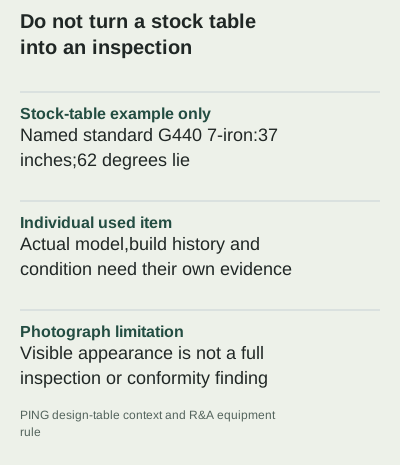
Keep stock specifications separate from an altered build
A manufacturer's table describes a stated design configuration. For example, the global G440 standard 7-iron table lists 37 inches length and 62 degrees lie, but an individual used club may have been reshafted or adjusted. Do not copy those values onto a different model or claim they are measured facts about the seller's item. Ask for the relevant build history and appropriate specification evidence, keeping unknown details explicit. This article supplies no do-it-yourself straightening, reshafting or repair procedure, and a promising photograph does not establish that an alteration is possible or appropriate.
Record included items and visible observations precisely
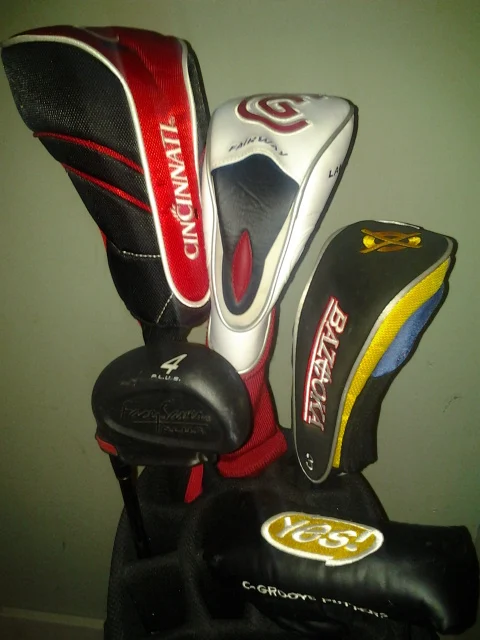
List the actual club or set makeup, the shaft and grip identity where known, and the included covers or other accessories. The real headcover photograph shows several distinct shapes; it does not prove that a seller supplies them or that one cover protects every club equally. Keep an observation such as a visible mark separate from an inference about its cause or future durability. If damage or a structural question is unclear, seek the appropriate qualified or manufacturer assessment rather than treating a remote buying checklist as an inspection certificate.
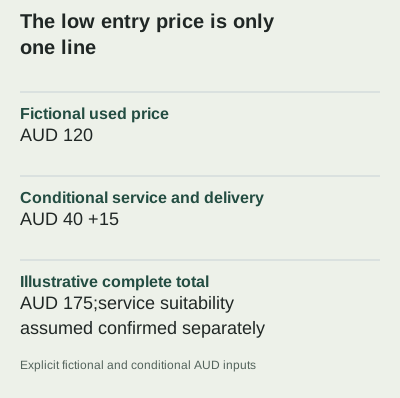
Use a conditional cost example without assuming repairability
Imagine a fictional used-item price of AUD 120, a separately confirmed appropriate service quote of AUD 40 and delivery of AUD 15. The illustrative total would be AUD 175. That sum applies only under its stated assumptions; it does not establish that a particular fault can be repaired or that the service is required. If the service scope remains unknown, the complete total also remains unresolved. Keep a new alternative's exact configuration and terms separately before comparing costs. The lower initial item price alone does not answer the condition, build or suitability question.
Keep the evidence with the final decision
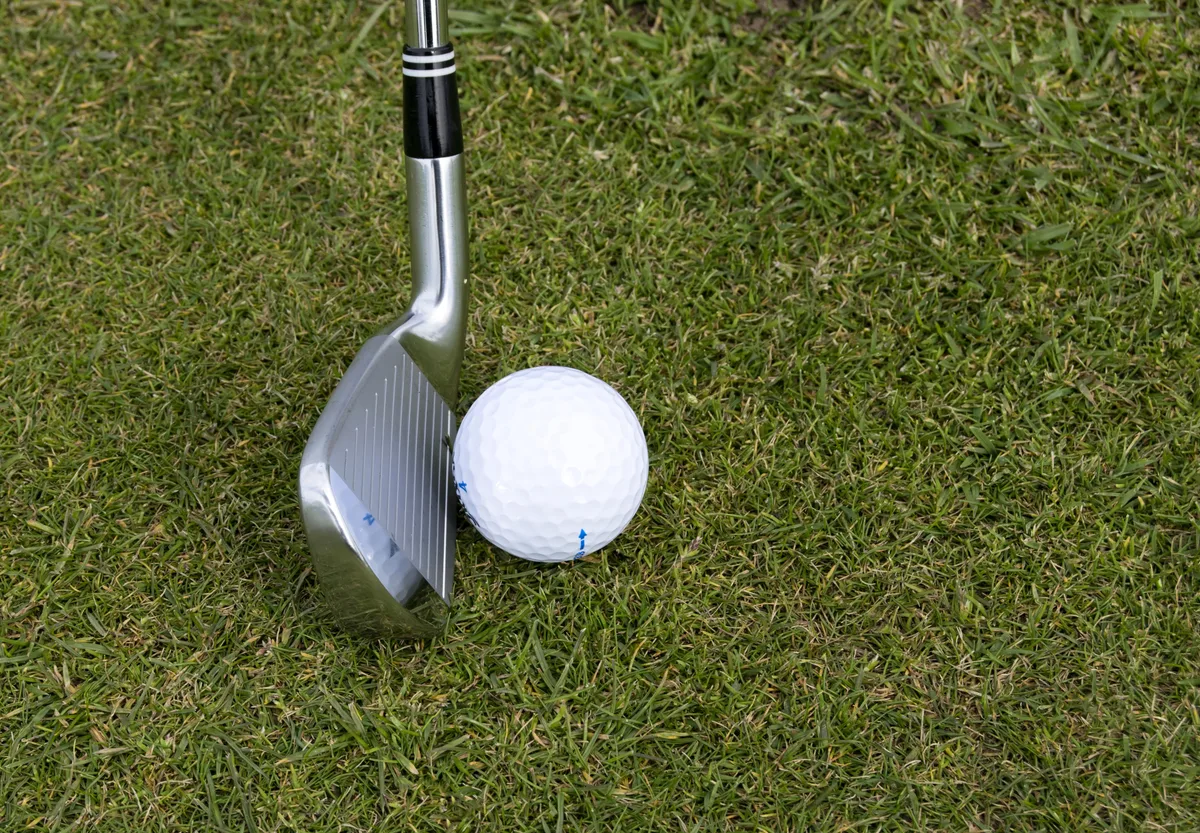
Save the dated description, photographs, identified model, included items, seller terms and any actual professional assessment. Separate confirmed facts, seller statements and unresolved points so they can be revisited if the delivered item differs. The iron-and-ball image provides equipment context, not an independent performance trial. Do not claim that a used purchase is suitable, safe, conforming or good value solely because the record is detailed. The useful outcome is a more precise set of purchase questions and a complete conditional cost comparison, with uncertainty allowed to remain visible instead of being converted into a reassuring but unsupported approval.
Open official model documentation ? Open official model documentation ?