Take one clear equipment question to a club fitting
Prepare a fitting brief with one equipment question, a baseline and the exact report you want to keep.
Updated:
Begin with a decision you can actually compare
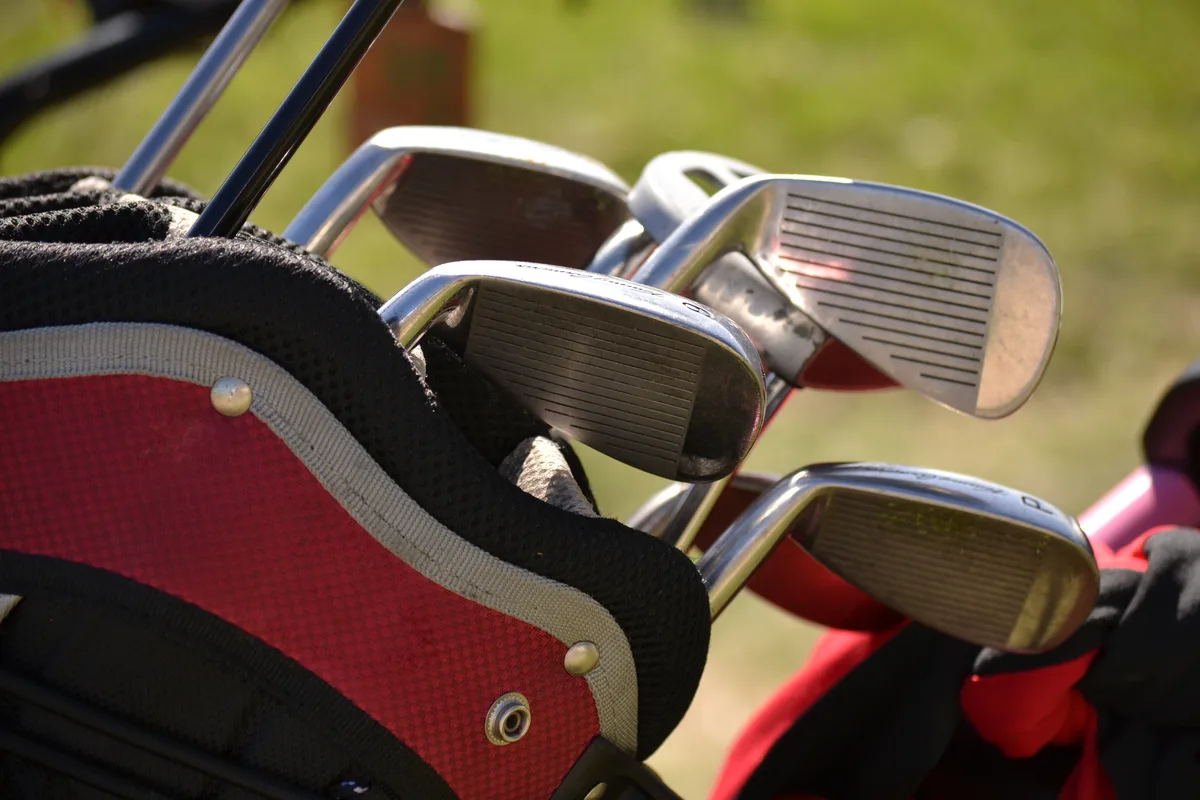
Take one clear equipment question to the fitting, such as whether a proposed iron configuration produces a more useful result than your present one under comparable conditions. Describe the problem in your own words and bring the current club details. PING describes its online WebFit tools as a starting point and encourages sharing the report with a certified fitter before ordering. A questionnaire result is therefore a useful conversation starter, not our independent prescription for your swing. The bag photograph makes the existing set visible as separate pieces; it does not prove that every pictured club belongs in your eventual order.
PING fitting process ? PING static fitting chart ?
Keep a baseline before trying the alternatives
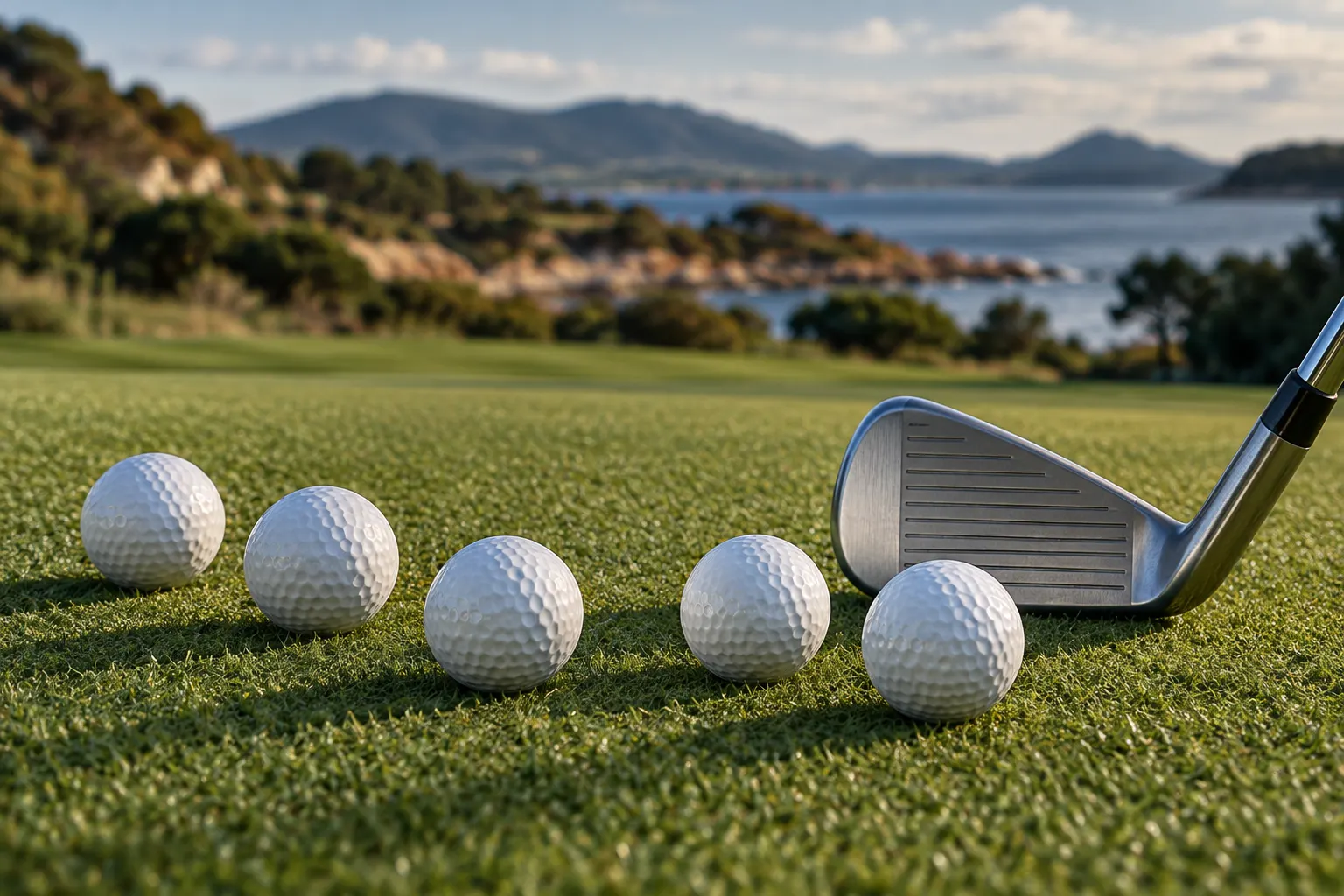
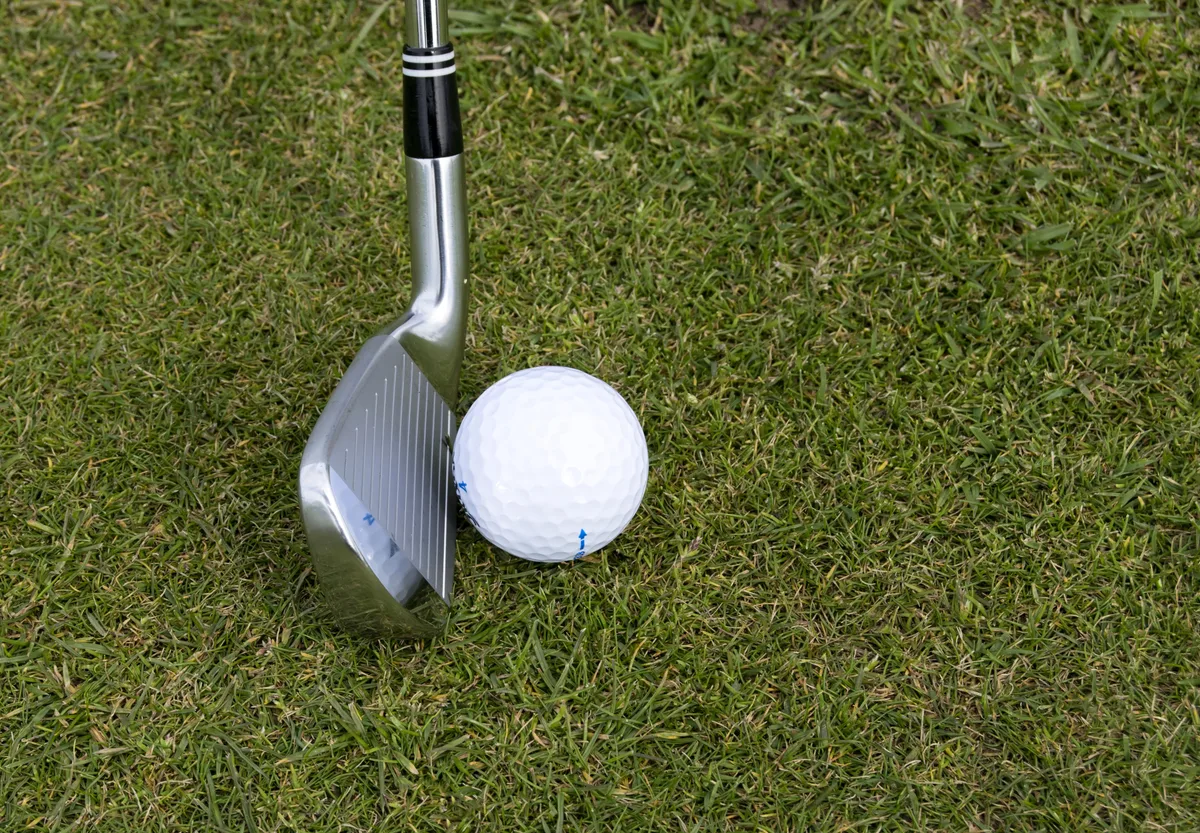
Ask how the session will record the club you already use, the balls, the measuring system and the conditions. Decide which output answers your question before looking at the longest shot on a screen. If you are comparing distance, keep carry distinct from total and preserve the unit and system mode. If you want to compare direction or consistency, request the relevant recorded data rather than using a distance average as a substitute. The iron-and-ball photograph identifies the physical equipment involved; it is not a launch-monitor result, a demonstration of a particular swing or evidence of a performance improvement.
Use a small arithmetic example to understand the report
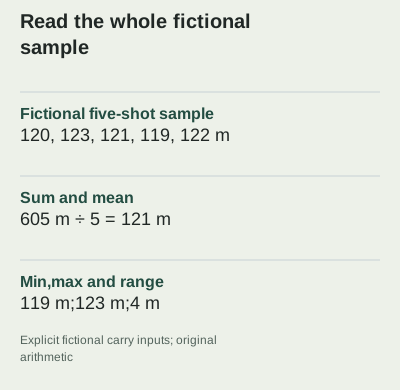
Imagine five fictional carry readings of 120 m, 123 m, 121 m, 119 m and 122 m recorded in one consistent mode. Their sum is 605 m, so the arithmetic mean is 605÷5=121 m. The minimum is 119 m, the maximum 123 m and the range 4 m. These are illustrative values, not a standard for your skill level or an adequate fitting sample size. They simply show why one 123 m result is different from the complete record. Our shot-sample tool performs that arithmetic; it does not remove unwanted shots, prescribe a club or infer a future scoring benefit.
Make the configuration part of every result
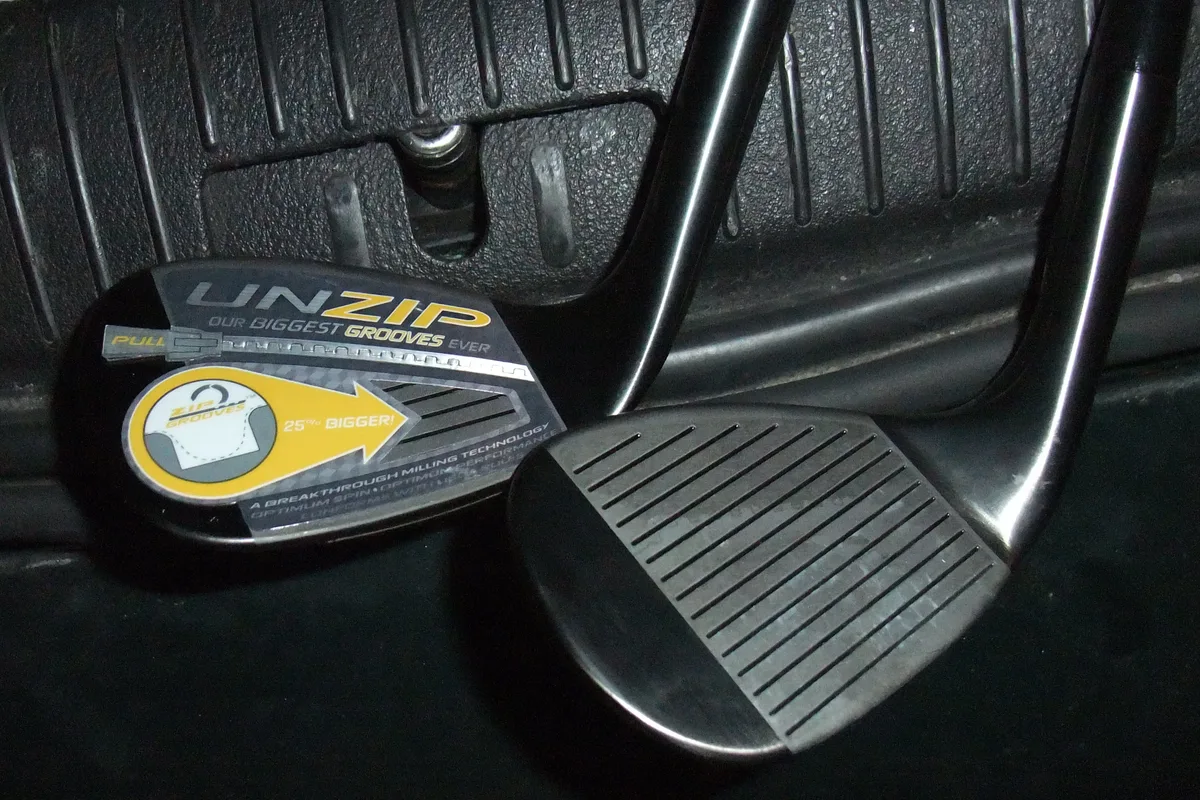
Keep the actual head model, shaft, length, lie and loft option with the associated data. A colour code or familiar iron number without its model context is not a complete order specification. PING's static fitting chart uses height and wrist-to-floor measurements as starting information, while its grip guidance also allows the fitter to revise the starting suggestion using observed ball flight and feedback. Do not copy another player's fitting settings from a photograph. The archived wedges show that different identified heads belong to their own specification records; their markings do not supply your measured carry gaps or prove a suitable configuration.
Leave with the evidence and an itemised next step
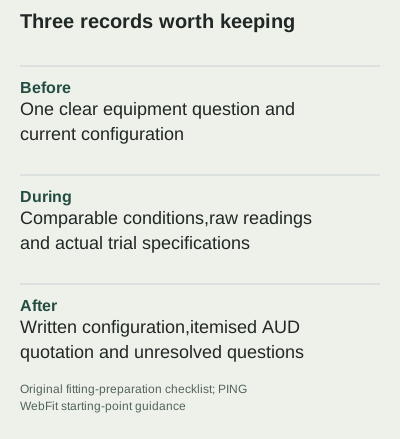
Before ordering, request a readable configuration record and a quotation that separates equipment, fitting-related charges, accessories and delivery in Australian dollars. Preserve any unresolved question rather than converting a pleasant session into an automatic purchase decision. A useful brief also states what you are keeping from your present set and which alternatives were actually compared. If a result depends on different balls, a different measurement mode or a change in settings, keep that condition visible. The finished fitting record should explain the basis for the proposed order without claiming that one session, an online chart or an equipment change guarantees a better handicap.
Open official model documentation ? Open official model documentation ?