Record club length and lie without prescribing a fit
Keep club length, lie and static fitting measurements in a record without treating a chart as an individual prescription.
Updated:
Record the specification before recommending a change
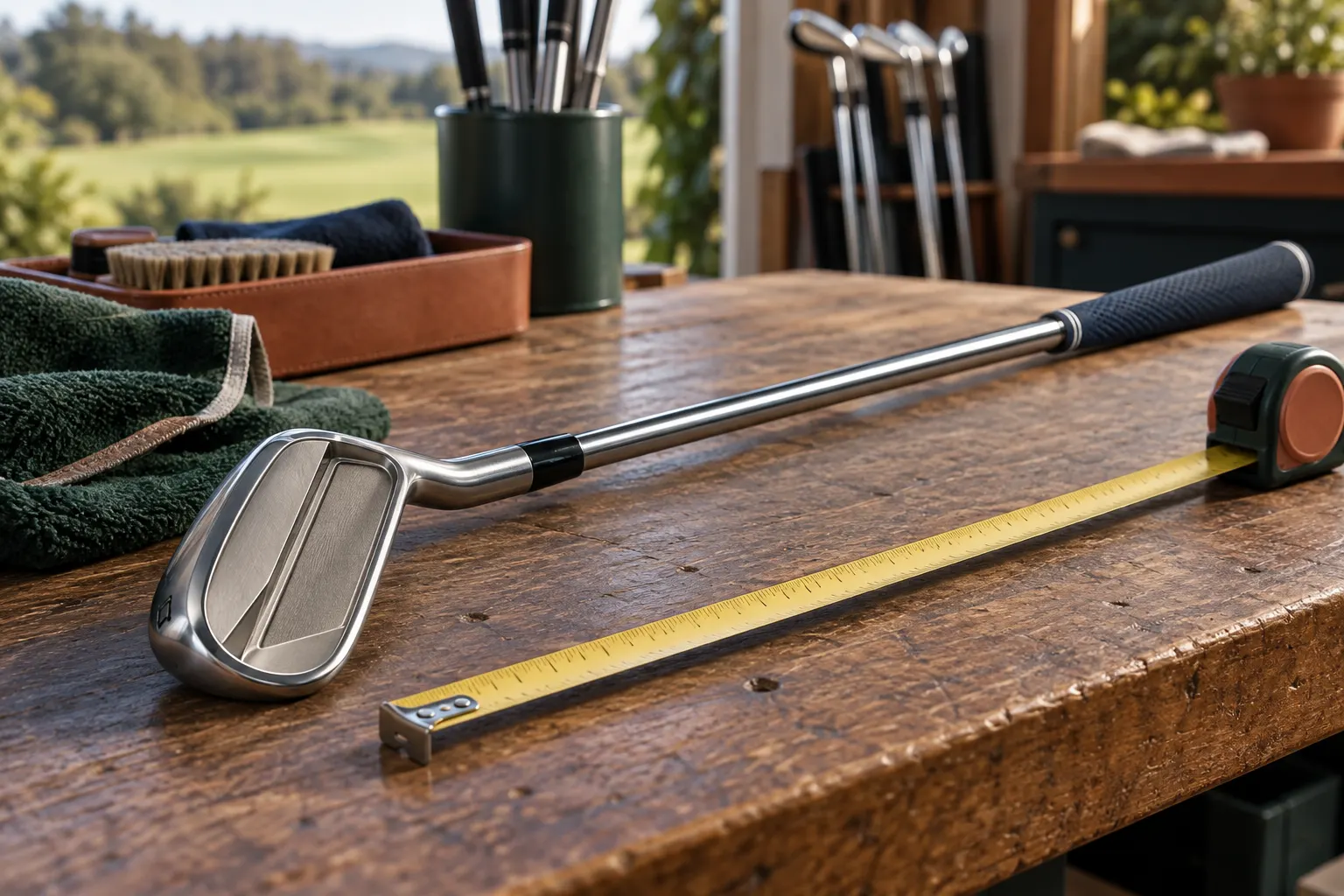
A club-length record should identify the exact model and specification convention, not immediately prescribe a longer or shorter shaft. PING's static chart uses height and wrist-to-floor as starting information for length and lie, while a fitting also considers observed results and feedback. The manufacturer describes ten colour codes across its chart, but a colour cannot be transferred blindly between different models or measurement contexts. The archived Callaway iron photograph shows a head and shaft. Its source caption identifies the archived model; it does not identify a different sale item. It is not a PING measurement, a lie-angle test or evidence that a particular adjustment would suit your swing.
PING static fitting chart ? PING G440 documented specifications ? NIST international length conversions ?
Keep length and lie in separate fields
The global G440 specification table lists its standard 7-iron at 37 inches length and 62 degrees lie, with the table's stated model and standard configuration context. Those are different quantities: one is a length and the other an angle. Record the loft option and relevant manufacturer conditions as well. A nominal iron number alone is not a complete specification. The design table also warns about manufacturing tolerances, so do not describe the catalogue figures as your own precision measurement of a received club. Keep any actual workshop measurement separately with its method and date.
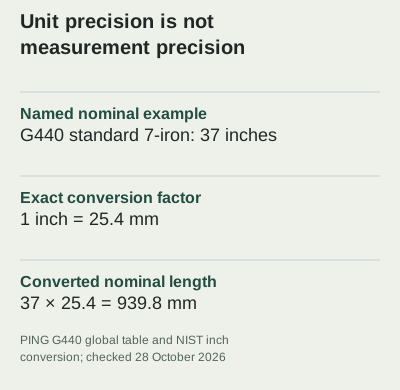
Convert the unit without adding false precision
NIST gives an exact international conversion of 1 inch to 25.4 mm. Applying it to the example's nominal 37 inches gives 37 × 25.4 = 939.8 mm. That exact arithmetic does not make the manufacturer's nominal club length an independently measured value accurate to a tenth of a millimetre. It simply expresses the same stated length in another unit. Preserve the original 37-inch field and the conversion factor beside the metric result, and do not substitute a different club-length measuring method without identifying the difference.
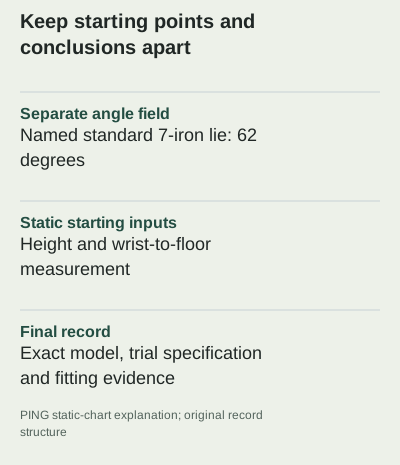
Treat visible grips and covers as separate equipment details
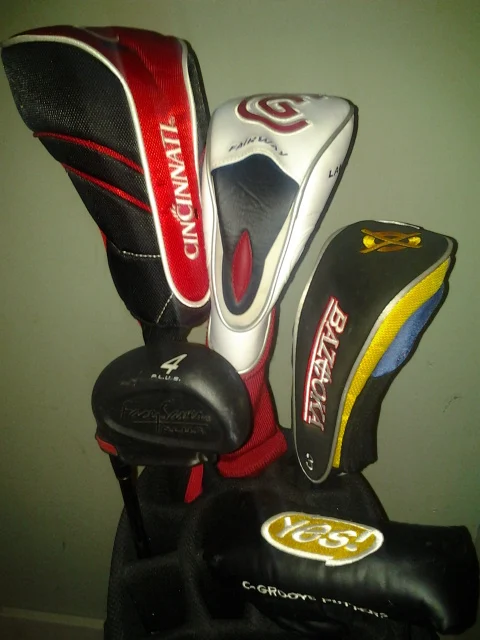
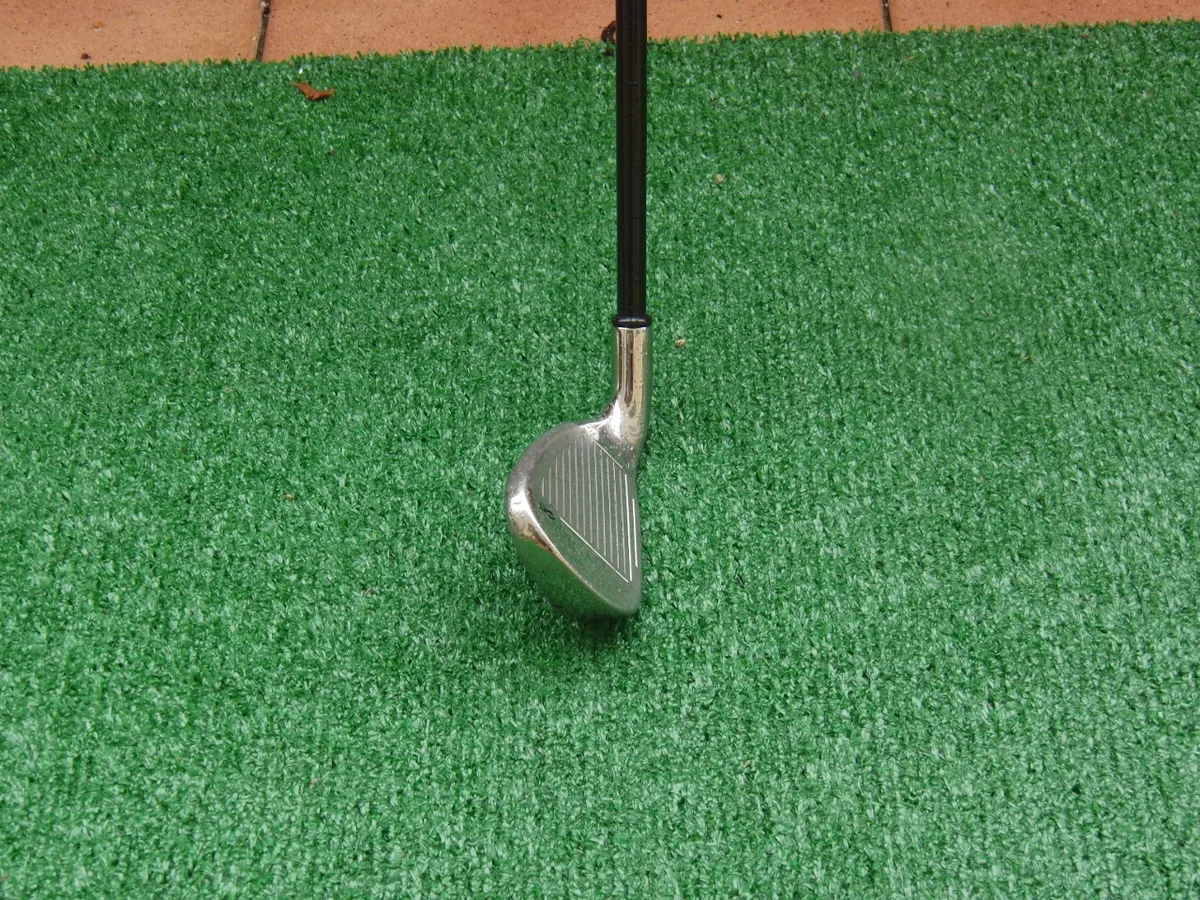
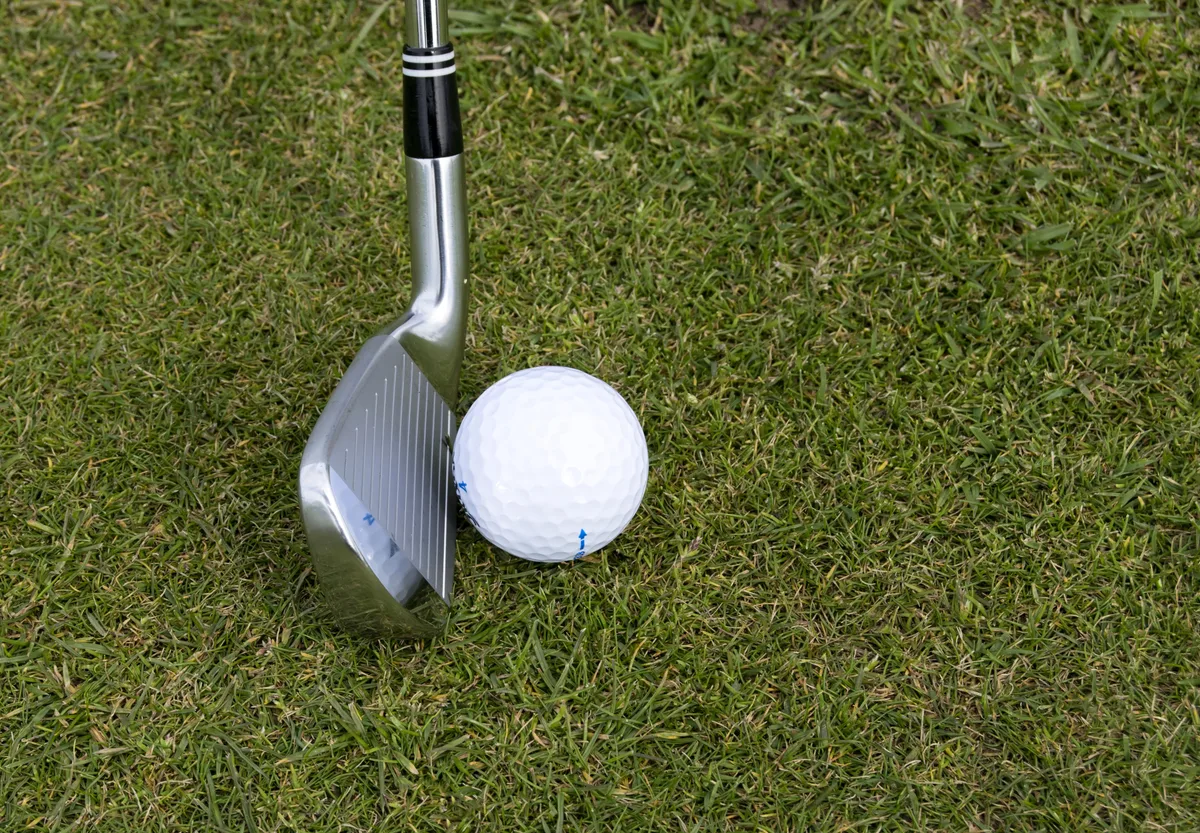
The real iron photograph shows a head and shaft segment, while the headcover photograph shows several cover shapes intended for different club types. Neither can establish shaft length, lie or the fit of an unseen grip. Record the actual grip model and any requested build details in their own fields rather than inferring them from a generic picture. If a used club has been altered, a stock specification table may no longer describe it. That is a reason to seek the relevant model-specific or workshop evidence, not to assume an adjustment can safely be reversed at home.
Keep the fitting conclusion with its supporting record
A useful final file preserves the starting measurements, trial configuration, observed comparison and exact proposed order specification. It distinguishes a chart's starting suggestion from a recommendation reached in the actual session. No calculator on this site chooses your length, lie or grip size, and the unit converter provides no fitting advice. If the record lacks the model or convention, leave the uncertainty explicit before ordering. The goal is to make a later conversation reproducible and to prevent a familiar colour code or a precise-looking converted number from pretending to be an individual assessment.
Open official model documentation ? Open official model documentation ? Open official model documentation ?