Summarise a shot sample without hiding its spread
Calculate a five-reading mean and range while retaining every input and the conditions that produced it.
Updated:
Keep the individual readings behind the average
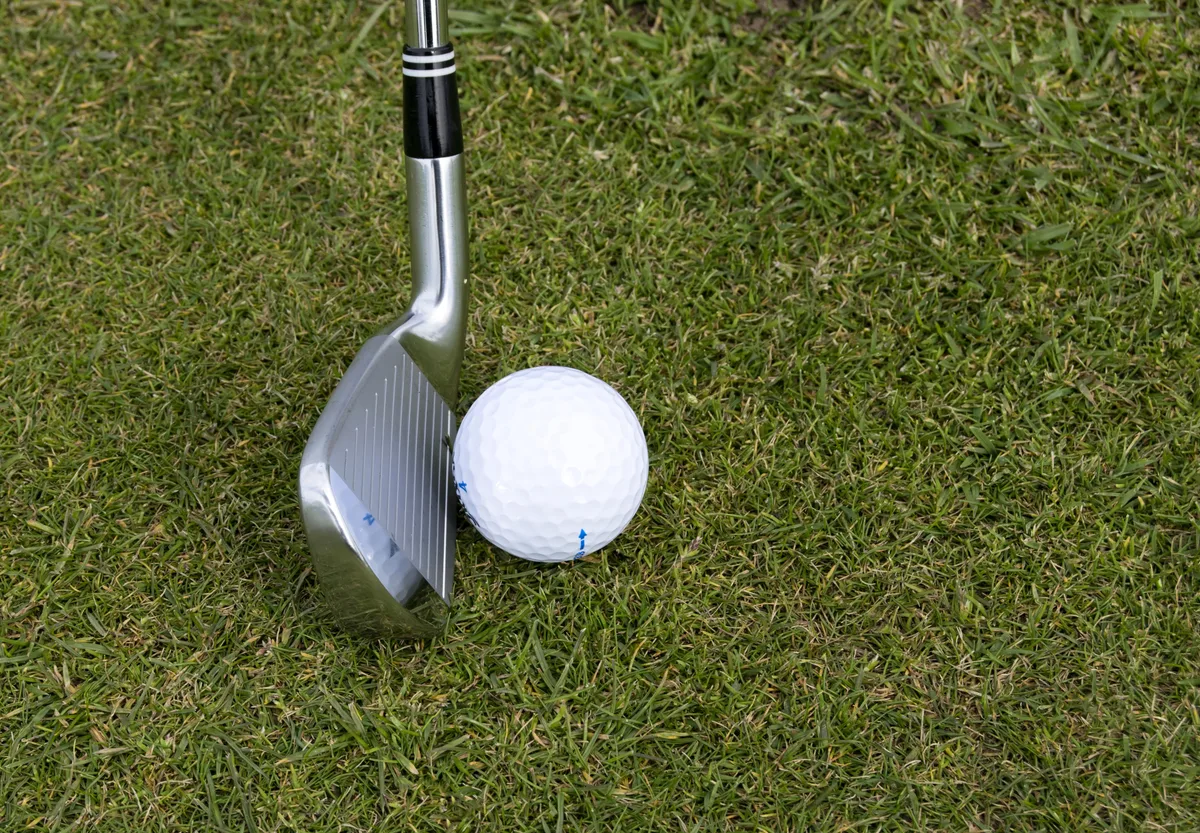
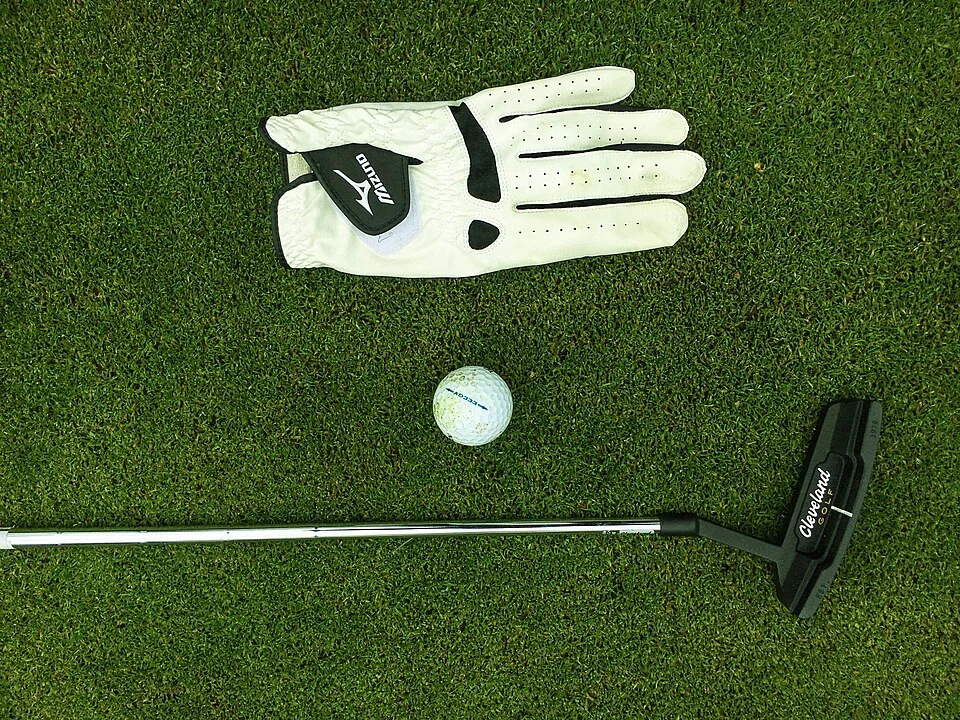
A shot-sample summary should retain the raw readings as well as an average and a measure of spread. An average alone cannot show whether the inputs were close together or widely dispersed. Before calculating, identify the unit, distance definition and measuring-system mode. Trackman Range's distinction between actual and converted carry is one example of why a label matters. The photograph of an iron and ball identifies the equipment category, while the glove and ball photograph shows other items that can form part of a session record. Neither image is a measured sample or evidence that equipment improved a player's consistency.
Trackman carry definition ? Trackman Range actual and flat carry ?
Calculate one complete fictional sample
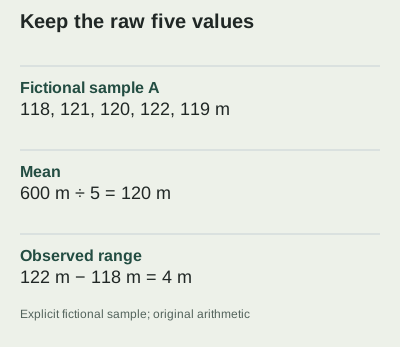
Use five fictional carry readings of 118 m, 121 m, 120 m, 122 m and 119 m. Add them to obtain 600 m, then divide by 5 to obtain a mean of 120 m. The smallest reading is 118 m and the largest is 122 m, giving a range of 122 − 118 = 4 m. This range describes the observed numerical spread only. It is not a confidence interval, a prediction of every future shot or proof that five readings are enough for a fitting decision. No real player or named club produced this example.
Compare a second sample without hiding the inputs
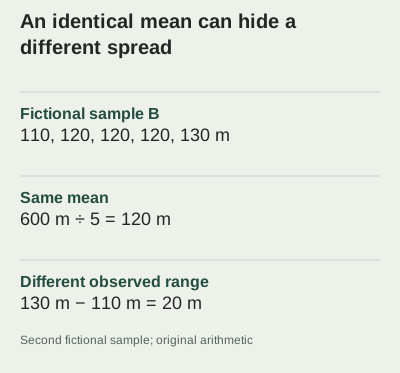
Now consider a second fictional set of 110 m, 120 m, 120 m, 120 m and 130 m. Its sum is also 600 m and its mean also 120 m, but its range is 20 m. The same mean therefore describes two visibly different sets of inputs. Do not automatically delete the short or long reading because it makes a preferred product look less attractive. Keep any exclusion rule explicit and agreed for the comparison, with the original data preserved. The calculator intentionally performs straightforward arithmetic rather than choosing which shots you ought to discard.
Do not turn a distance range into complete dispersion
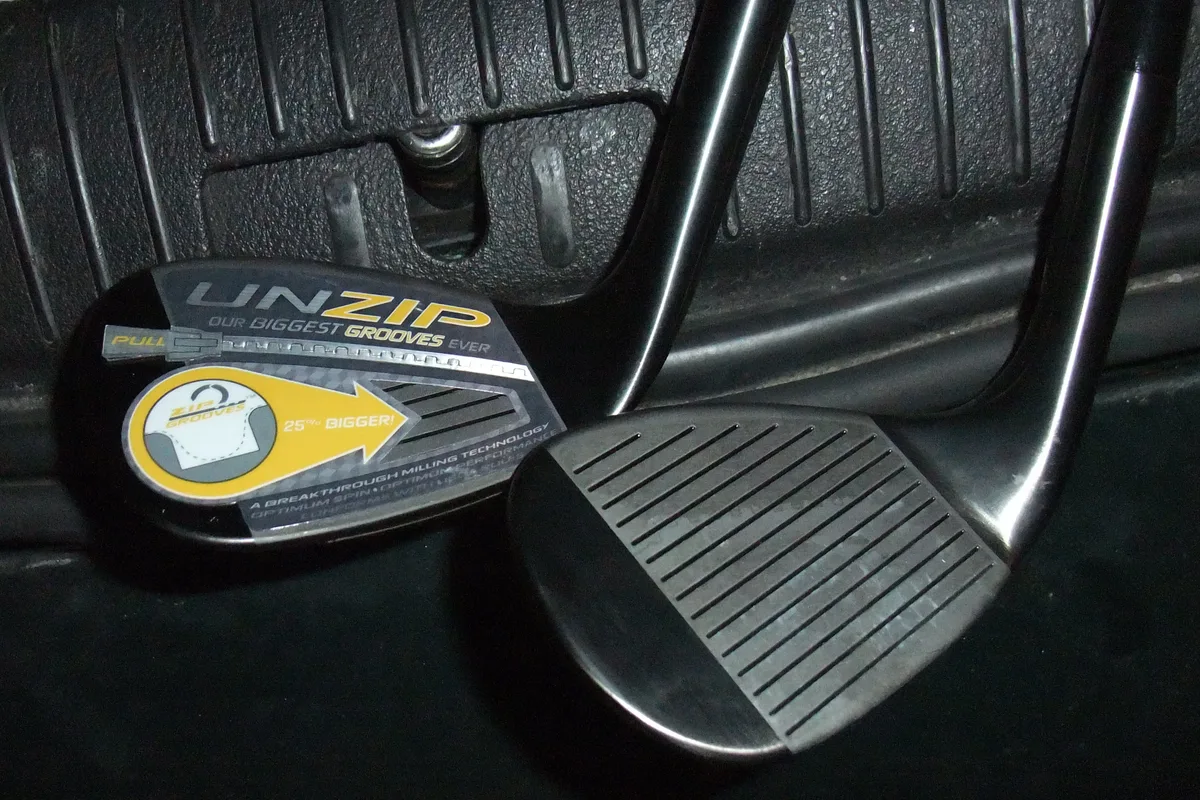
A minimum-to-maximum distance range is not a two-dimensional shot pattern. It contains no left-right information, launch behaviour or explanation of why a reading differs. If direction or strike quality matters to your equipment question, preserve the relevant measured fields and discuss their meaning in the fitting process. The archived wedges illustrate distinct club heads, not a tested separation between their shot patterns. Avoid claiming that a shorter range proves one shaft or head universally suits a player; that conclusion would require more evidence than this small arithmetic worksheet provides.
Use the worksheet as a transparent report aid
Our shot-sample tool accepts five positive metre values and returns the mean, minimum, maximum and range. Use a consistent mode for all five inputs and retain a separate note of conditions. It gives no recommended club, target carry or expected handicap change, and it is intended for reviewing practice or fitting records rather than interpreting current-round play. Save the inputs with the result so a later correction can be recalculated. The final summary should make the data easier to inspect, not conceal uncertainty behind a single attractive average or imply that the method replaces a considered fitting discussion.
Open official model documentation ? Open official model documentation ?