Separate empty golf-bag weight from the loaded total
Convert a documented empty-bag weight and build a separate, explicit inventory for the complete load.
Updated:
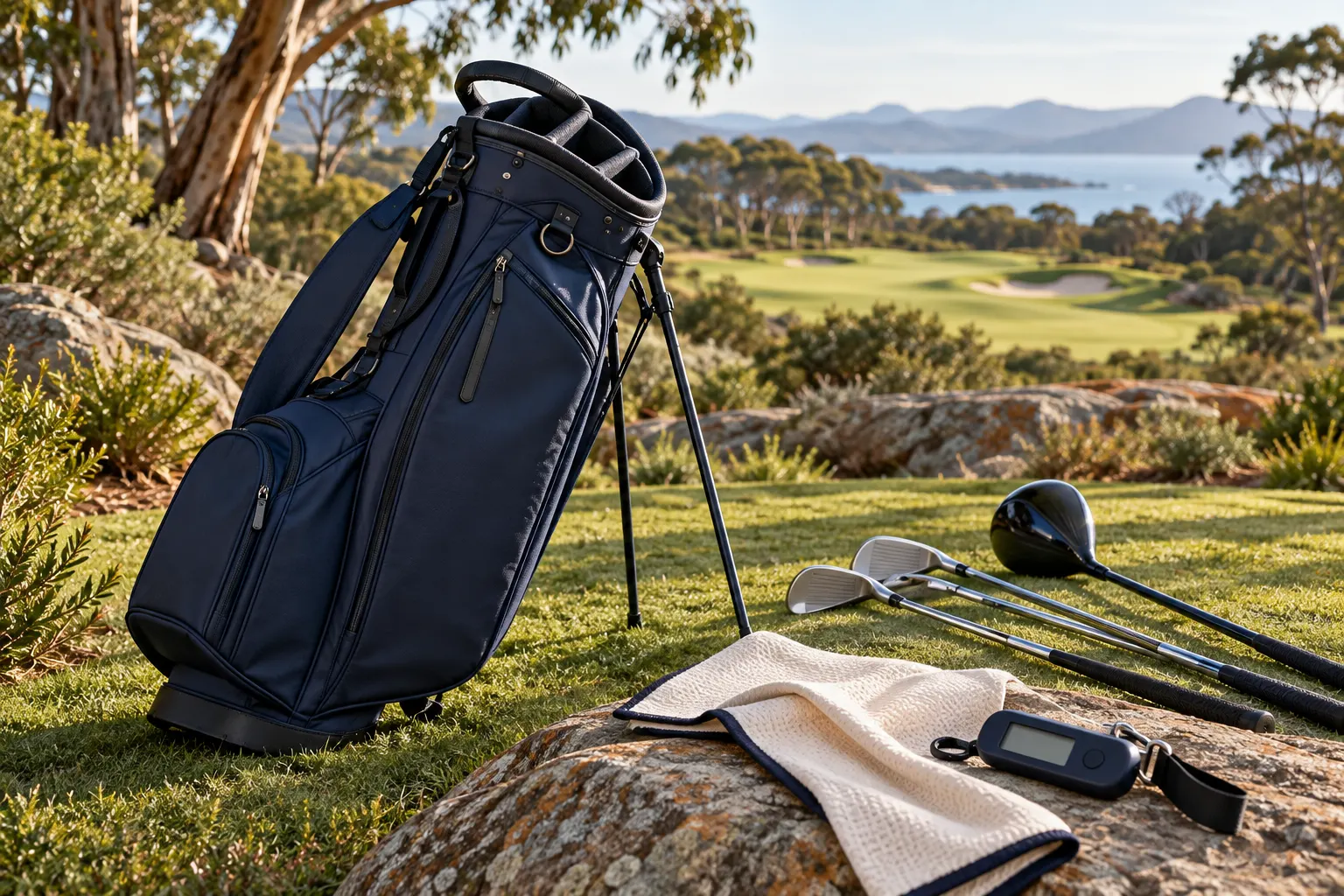
An empty-weight claim is not the weight you carry
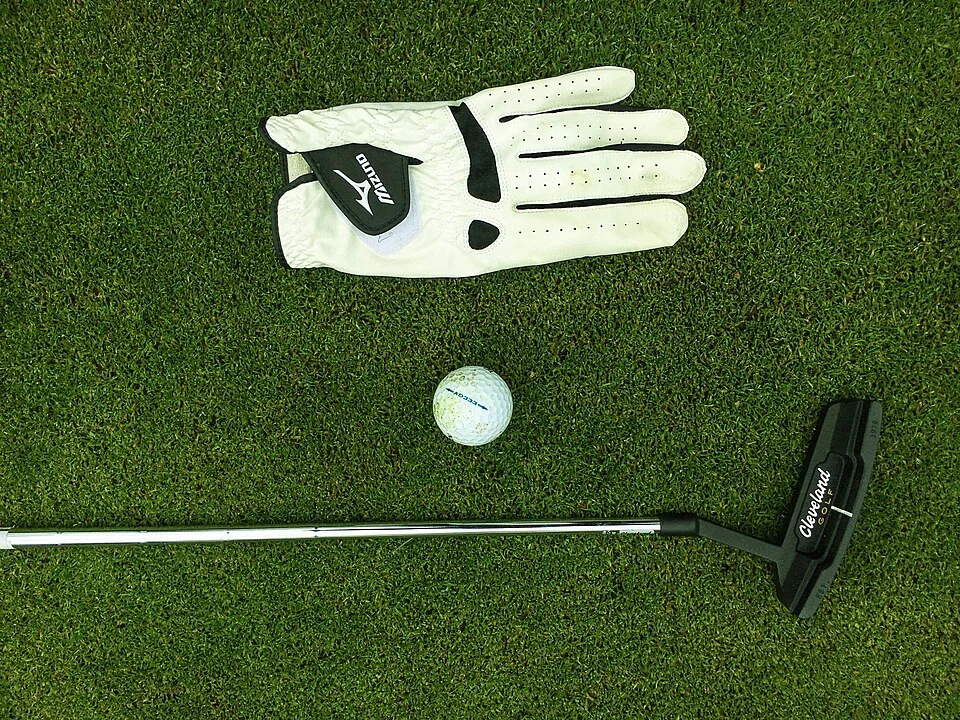
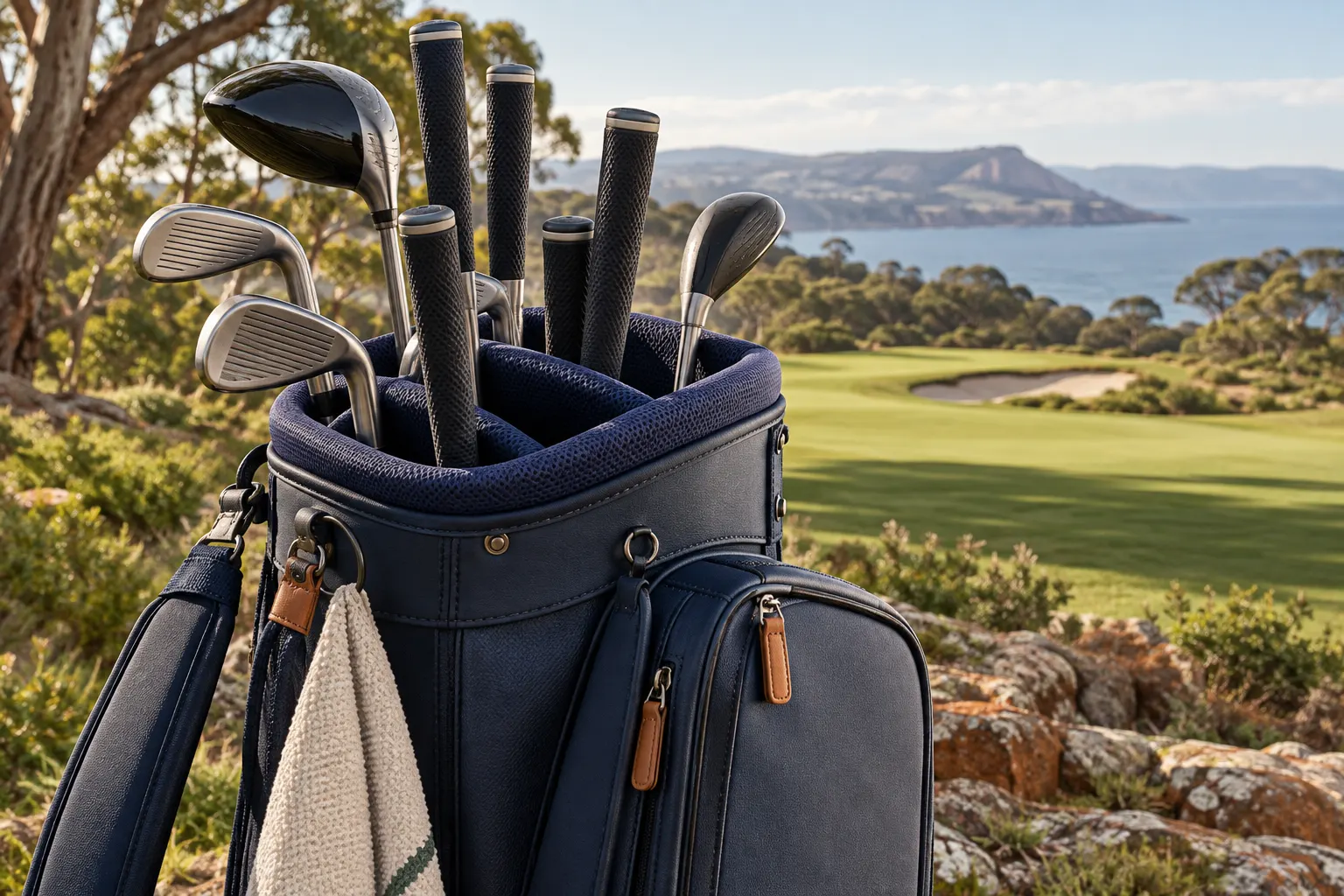
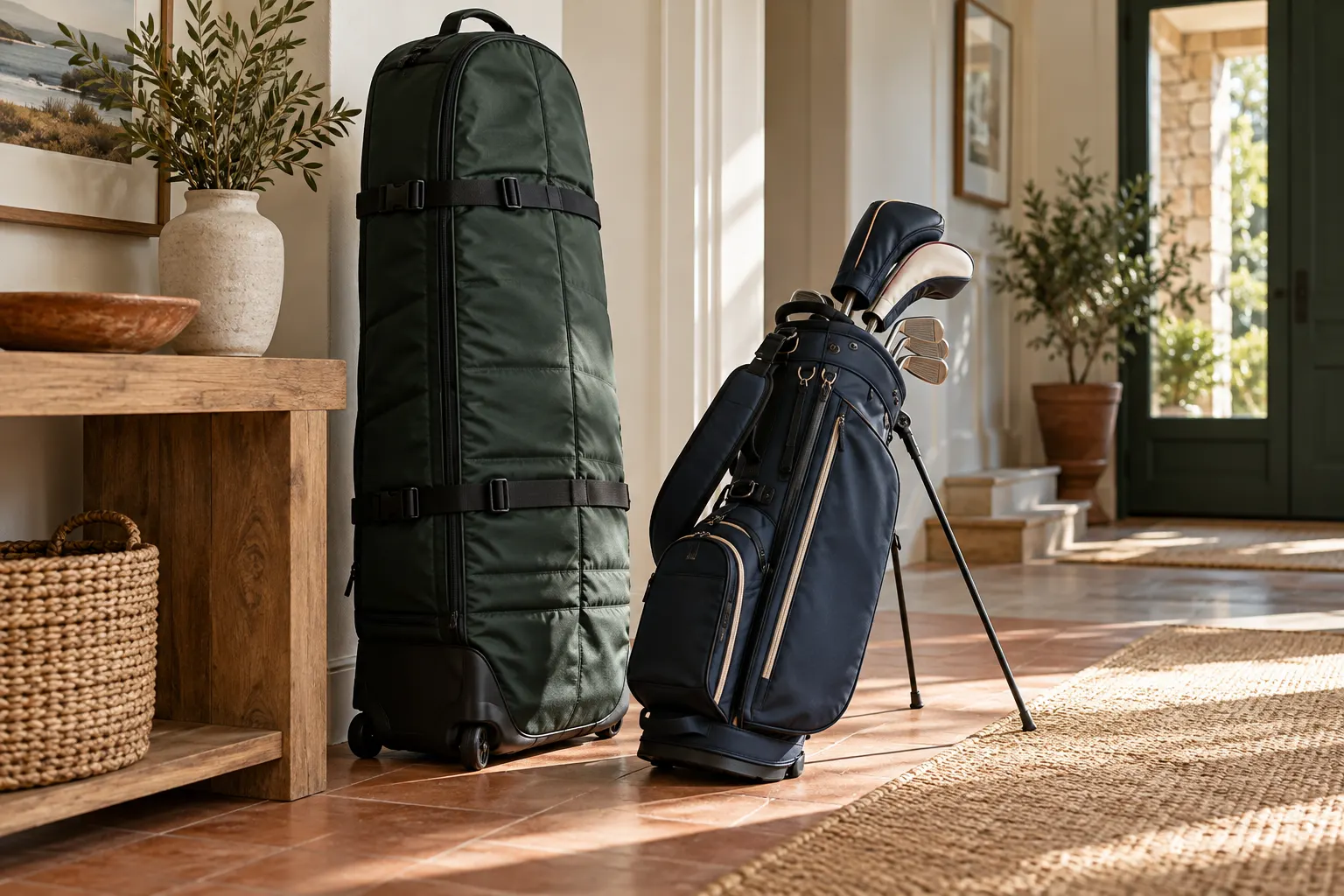
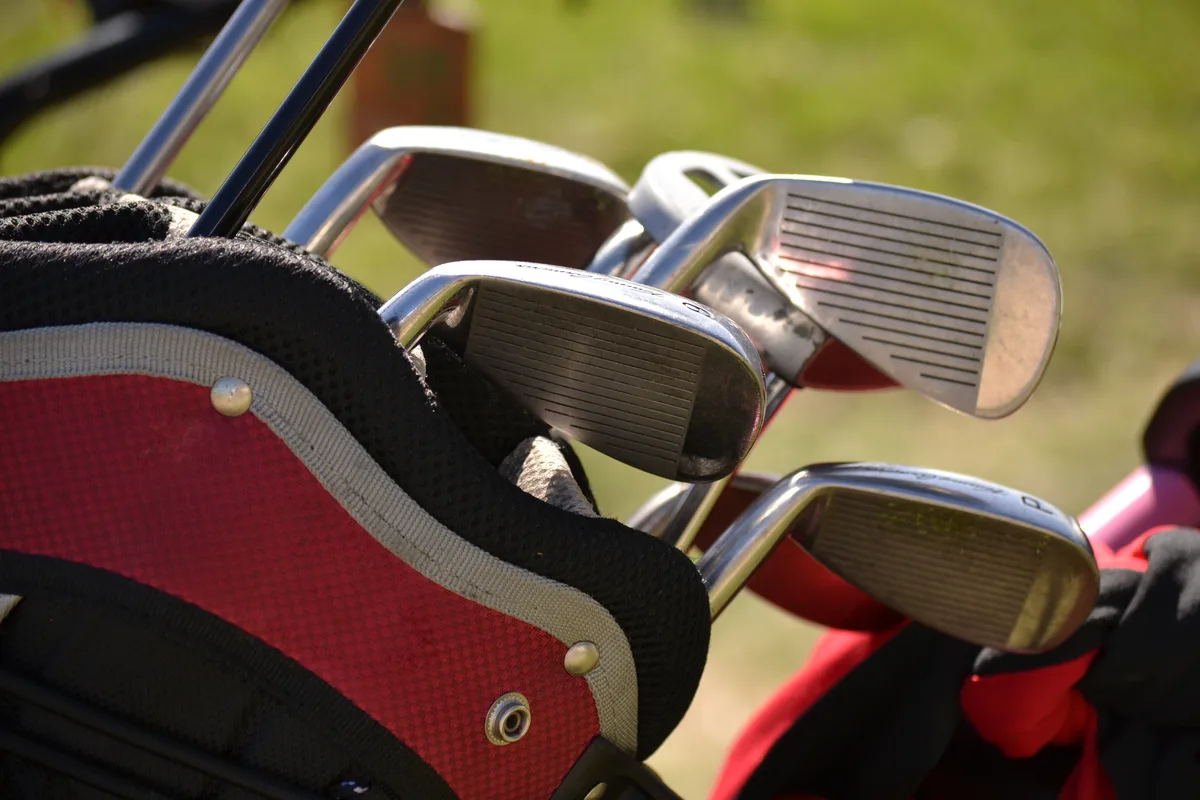
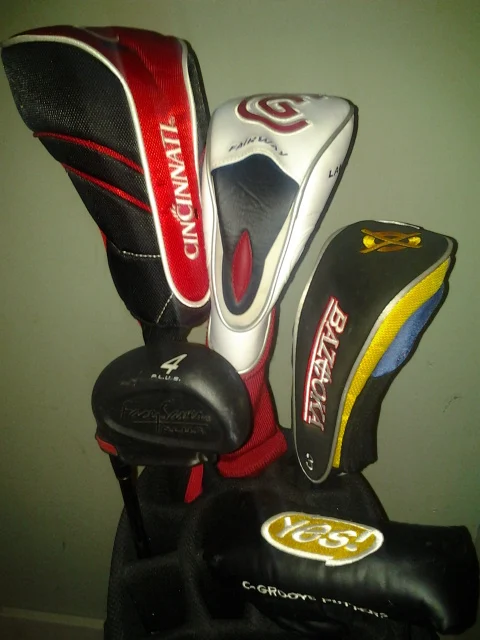
Keep the manufacturer's empty-bag figure separate from the loaded total. The named PING Hoofer page lists 5.5 pounds, alongside its particular model description. That US page also states that it ships to the US only, so it does not establish Australian stock or a local price. The real bag photograph shows clubs and a bag as separate equipment components. It is not a photograph of the specified current Hoofer model and does not verify the empty or loaded weight of any bag you might buy.
PING Hoofer manufacturer table ? NIST international pound conversion ?
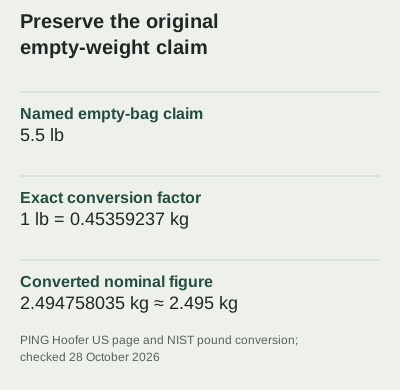
Convert the stated unit before adding contents
NIST's exact international pound conversion is 1 pound = 0.45359237 kg. Applied to the stated 5.5-pound example, the calculation is 5.5 × 0.45359237 = 2.494758035 kg, approximately 2.495 kg. This converts a manufacturer's stated figure; it does not independently weigh the product or eliminate any uncertainty in the original nominal value. Preserve the original unit and model with the result. A rounded metric figure is useful for comparing records, but extra calculator digits should not be presented as measured precision for a physical bag.
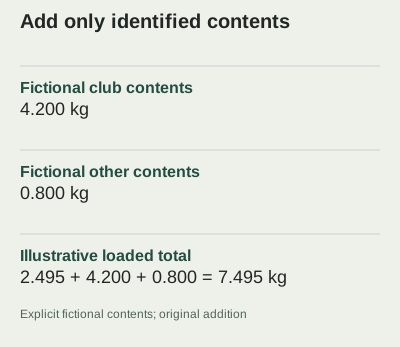
Complete a clearly fictional loaded-total example
Suppose a fictional contents inventory has clubs weighing 4.200 kg and other items weighing 0.800 kg. Using the rounded empty-bag example, the illustrative total is 2.495 + 4.200 + 0.800 = 7.495 kg. The contents figures are invented for arithmetic, not measured equipment values or a recommended carrying load. If you actually weigh a packed bag, keep that measured result and its scale conditions in a separate field. Do not label a calculation assembled from catalogue and assumed figures as a direct measurement of your own kit.
Inventory the small items rather than calling them negligible
Headcovers, balls, a glove, rainwear and other accessories can belong to the complete load record if you plan to carry them. The headcover and glove photographs make those distinct items visible without supplying their weights. Do not assign them invented masses because they appear small in a picture. Use actual appropriate measurements or clearly labelled assumptions and keep optional items separate from the core inventory. A specification that excludes pictured accessories should not be silently treated as if it described a fully packed bag with every displayed item included. If you weigh contents separately, record whether containers and covers were included so an item is not counted twice.
Keep comfort and transport decisions outside the arithmetic
A loaded-total worksheet helps compare stated inputs, but it does not determine an individually suitable carrying load, comfort over a round or a health outcome. Likewise, meeting an airline's nominal weight limit requires the actual itinerary, packing and baggage conditions, not just this sum. Keep those decisions in their own evidence records. The finished comparison should identify the exact empty-bag claim, conversion factor, contents inputs and final calculated or measured total. That allows later changes to be traced without pretending that a lightweight catalogue label describes the complete bag you will actually take.
Open official model documentation ? Open official model documentation ?