Compare bag divisions,pocket volume and storage space separately
Read top divisions, pocket volume and exterior storage dimensions as different capacity questions.
Updated:
Three bag-capacity descriptions are not interchangeable
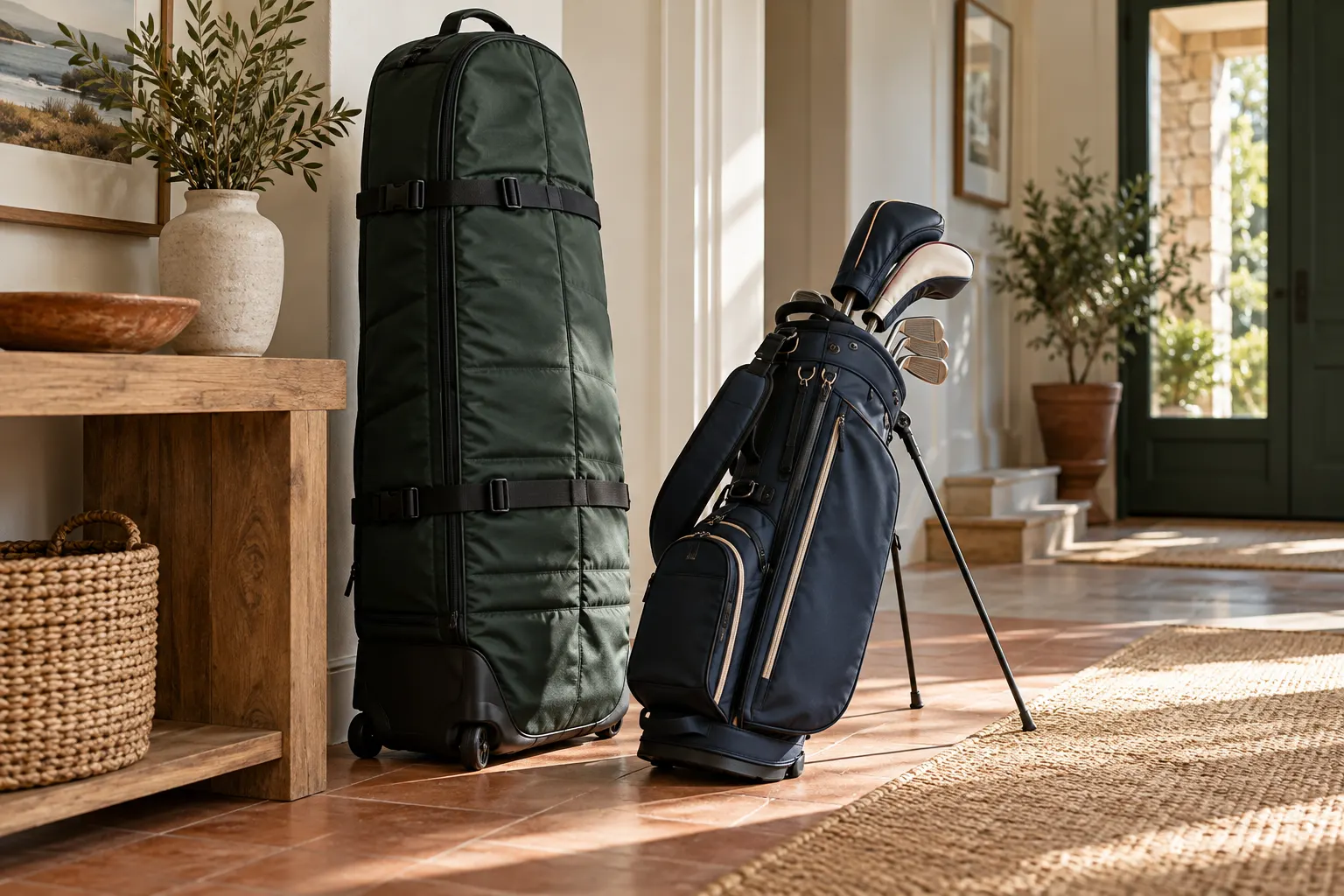
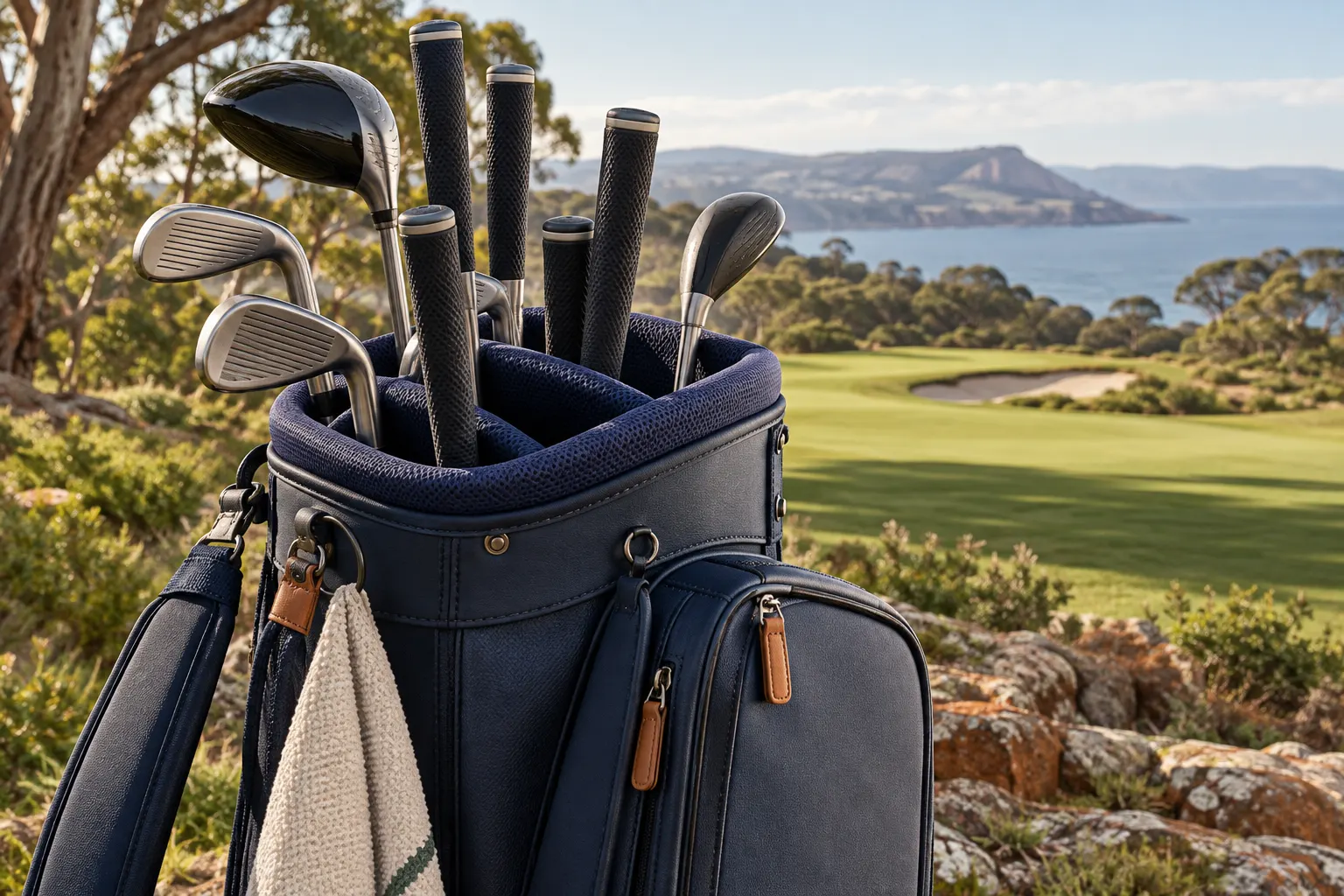
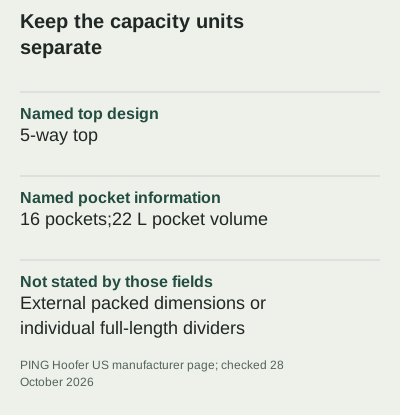
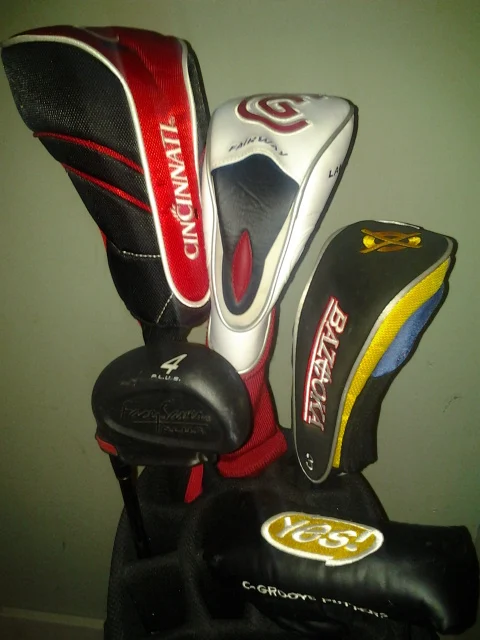
A bag's top divisions, pocket volume and outside dimensions answer different questions. PING's named Hoofer page lists a five-way top, 16 pockets and 22 litres of pocket volume. Those figures do not mean that the bag holds only five clubs, that every club has a separate full-length divider or that the whole bag's exterior occupies 22 litres. The real bag photograph shows several club heads above the bag. It is an archive example rather than the specified current Hoofer, and its appearance cannot establish an internal divider construction or a catalogue capacity.
PING Hoofer manufacturer table ?
Match the top layout to an actual inventory
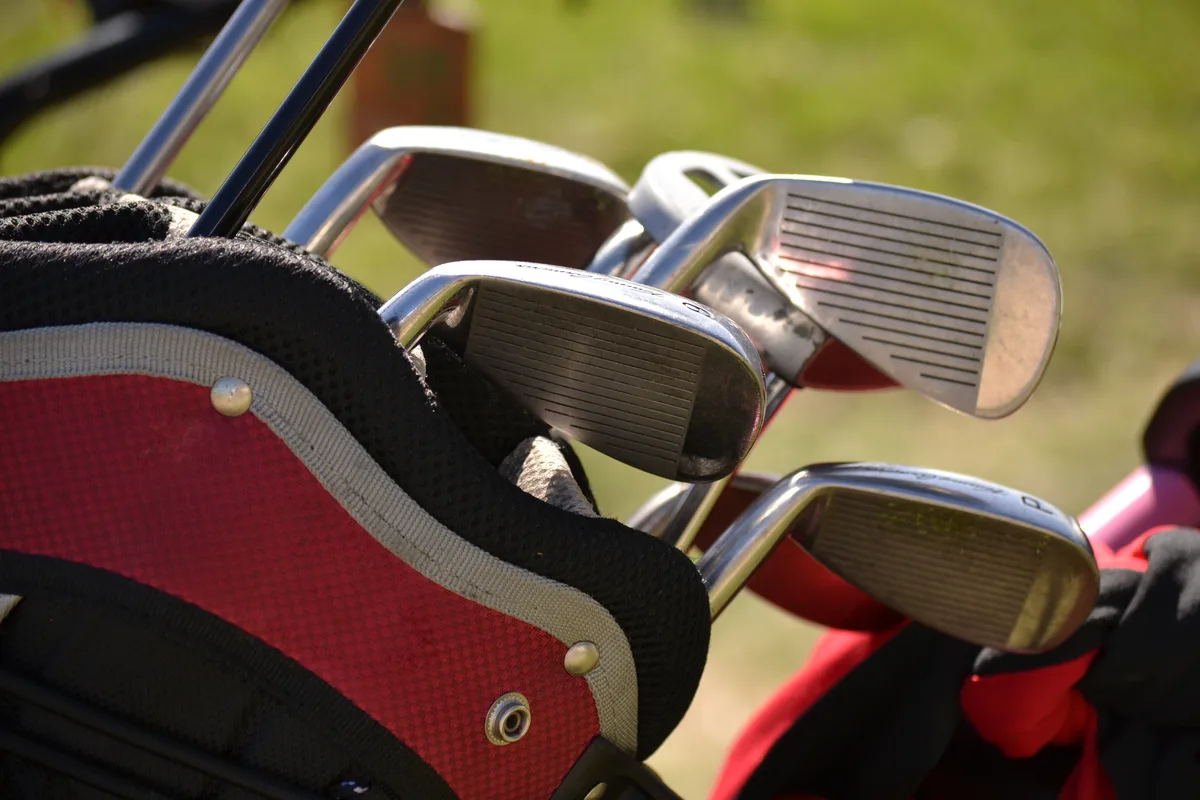
Write down the clubs and accessories you want to organise, then read the manufacturer's description of the top and internal arrangement. Do not infer a complete club count from the number of visible openings. The headcover photograph illustrates that covers can have very different shapes, which can affect the practical arrangement without changing the number of clubs. Keep that layout question separate from the Rules of Golf equipment count. A top-division number is a bag-design field, not a competition limit or a guarantee that a particular collection of clubs is easy to remove.
Keep pocket volume with the items it describes
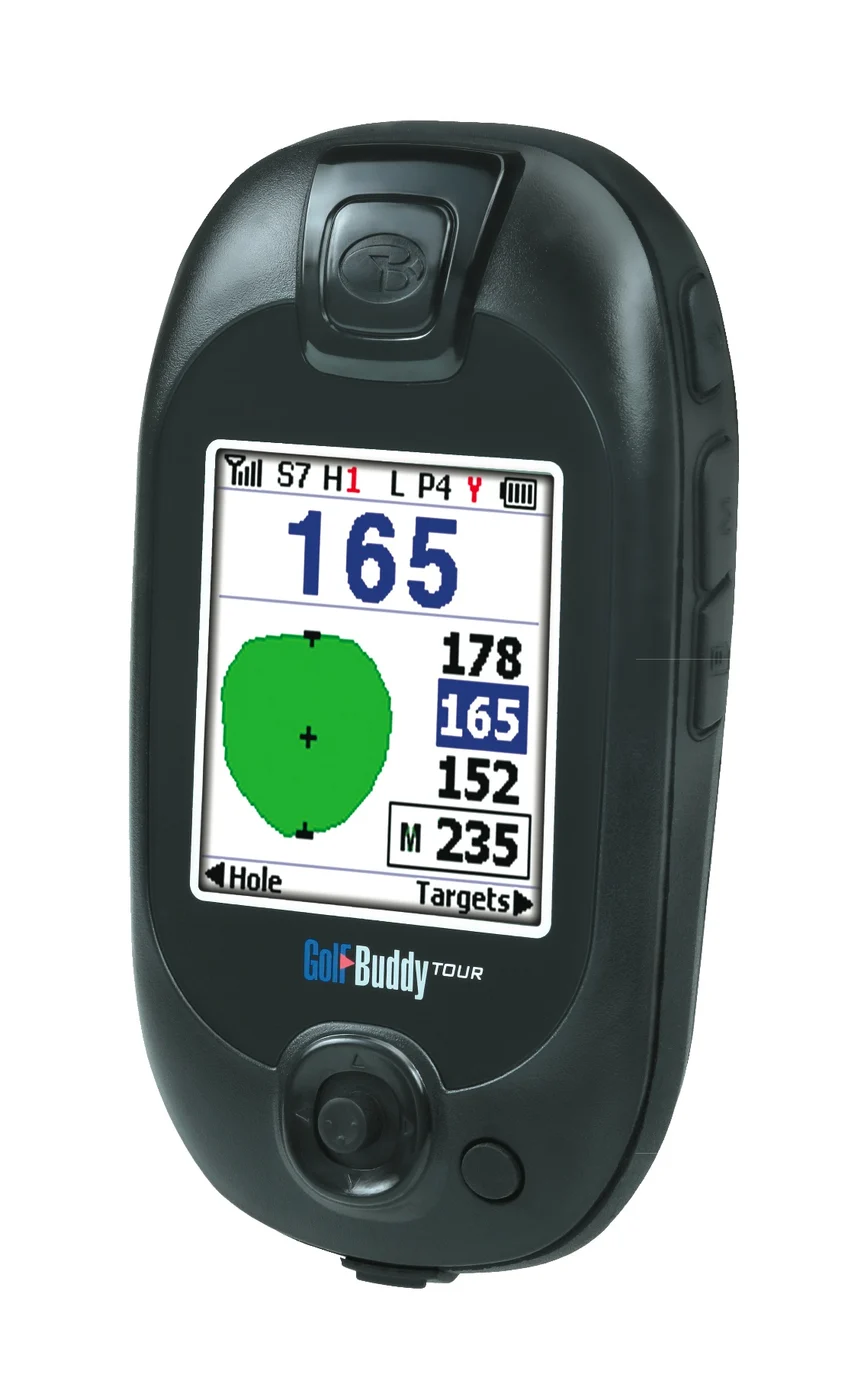
A stated 22 L pocket volume concerns storage compartments, not the overall external envelope. Record which items you intend to place in which documented pockets and which accessories are actually included. The historical GPS photograph shows a separate distance-reading device that could need its own appropriate carry arrangement; it is not proof that a current rangefinder fits a named magnetic pocket. A pocket count also does not state the capacity or protective properties of every individual pocket. Keep dimensions, closure type and permitted use separate wherever the actual product documentation supplies them.
Use a fictional exterior-space sketch honestly
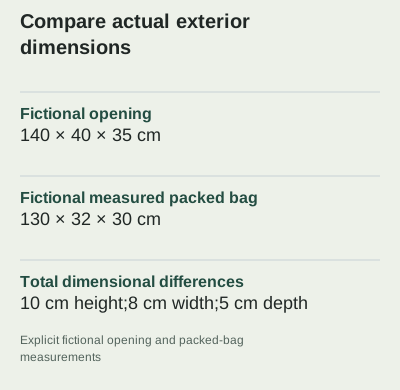
Suppose a purely fictional storage opening is 140 cm high, 40 cm wide and 35 cm deep. If a separately measured packed bag in that example is 130 cm high, 32 cm wide and 30 cm deep, the total dimensional differences are 10 cm, 8 cm and 5 cm. These numbers are invented to illustrate subtraction, not Hoofer dimensions or approved clearances. A packed bag's longest club, handle position and stand arrangement can matter, so a pocket-volume figure cannot substitute for the actual exterior measurements relevant to a cupboard, vehicle or storage route.
Leave the comparison with each unit in its own column
A useful shortlist keeps top design, pocket description, measured exterior envelope and actual packed inventory distinct. It also records what is known from the manufacturer and what you observed yourself. The named US product page does not establish Australian price, availability or a supplied accessory package, so keep the actual local quotation separately. If a needed exterior dimension is missing, leave it unresolved rather than estimating it from the photograph. The finished table should make a practical organisation or storage question easier to answer without converting unlike capacity descriptions into one misleading universal size score.
Open official model documentation ?