Check yards and metres before trusting a distance record
Preserve the original unit and convert it explicitly before comparing a target distance with a practice record.
Updated:
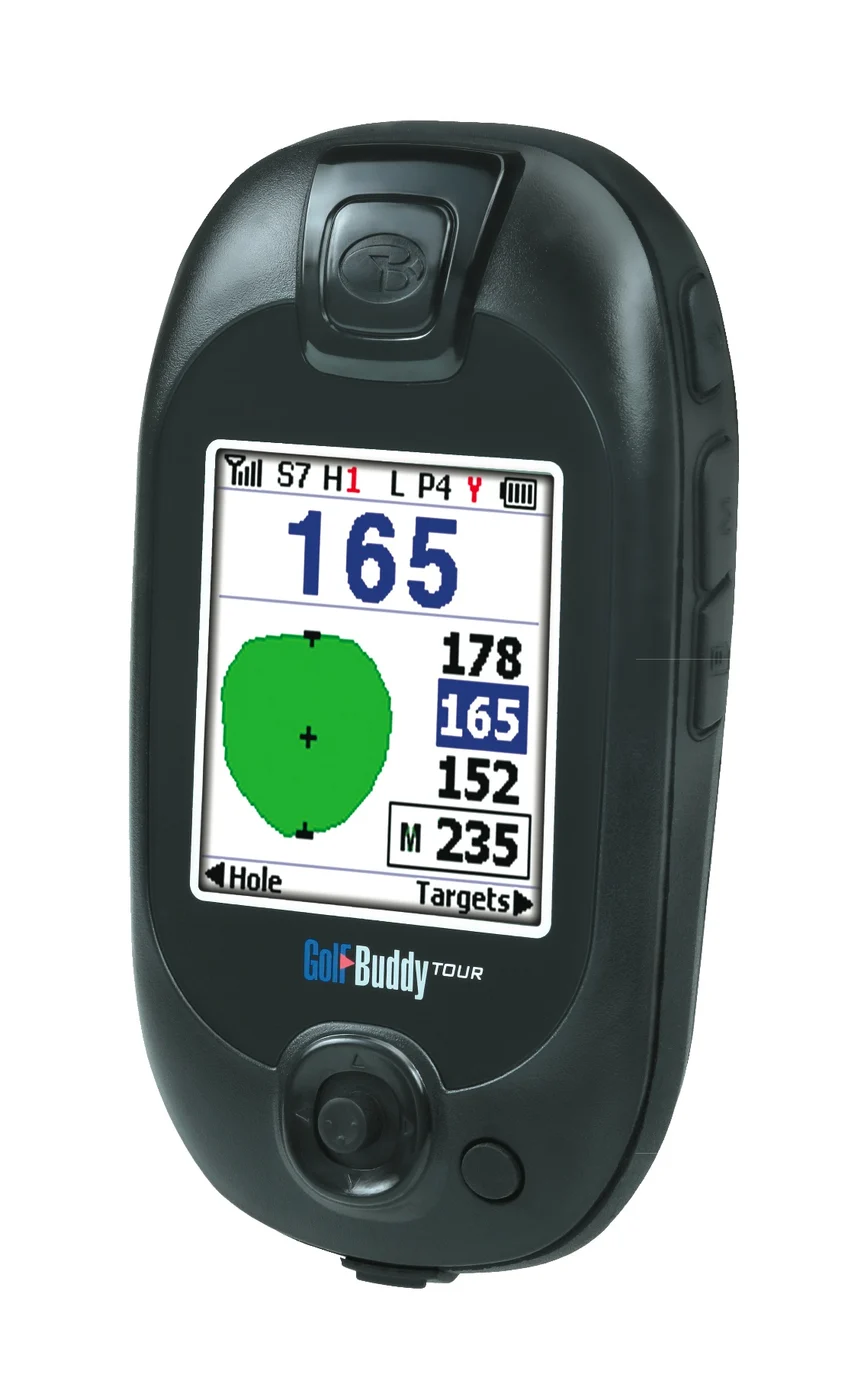
Read the unit beside the displayed distance
A distance without its unit is an incomplete record. Before comparing a rangefinder reading with a practice or fitting record, establish whether each uses yards or metres. The archived GolfBuddy photograph shows a handheld GPS device, not the current Bushnell laser model whose manual we reference. Its screen illustrates the need to preserve display labels, but it does not prove current course coverage, accuracy or the mode of another device. Read the actual model instructions and record the original value and unit before performing arithmetic or changing any display setting.
NIST international length conversions ? Bushnell TourV6/V6Shift manufacturer manual ?
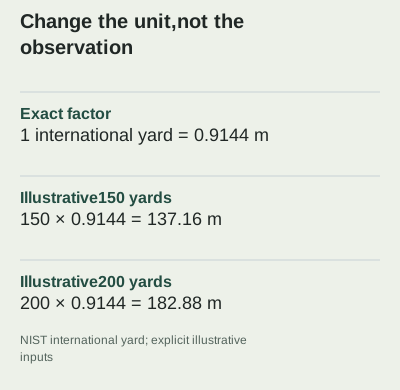
Use the exact international conversion factor
NIST gives 1 international yard as exactly 0.9144 metres. For an explicitly illustrative input of 150 yards, multiply 150 × 0.9144 to obtain 137.16 m. A second illustrative input of 200 yards becomes 182.88 m. These are unit conversions, not measurements of a golf hole, advice about club selection or slope-adjusted distances. Keep enough precision for the comparison and state how the displayed result is rounded. The converter on our tools page rounds the output to three decimal places while leaving the original input visible.
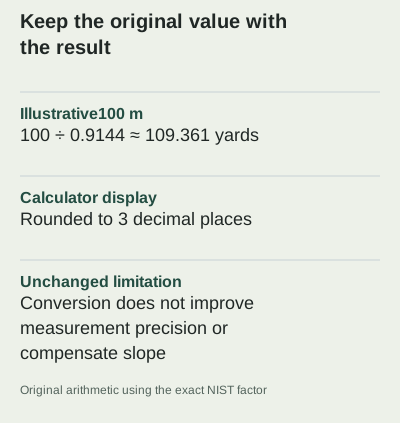
Do the reverse conversion without changing its meaning
For an illustrative 100 m input, dividing by 0.9144 gives approximately 109.361 yards when rounded to three decimals. Converting the unit does not increase the precision of the original observation. A whole-number distance read from a screen should not become an apparently laboratory-accurate measurement merely because the calculator prints three decimal places. Keep the original displayed number with the converted value so later readers can see what was observed and what was calculated. If the source reading is uncertain, that uncertainty is not removed by the exact conversion factor.
Keep unit settings separate from other device features
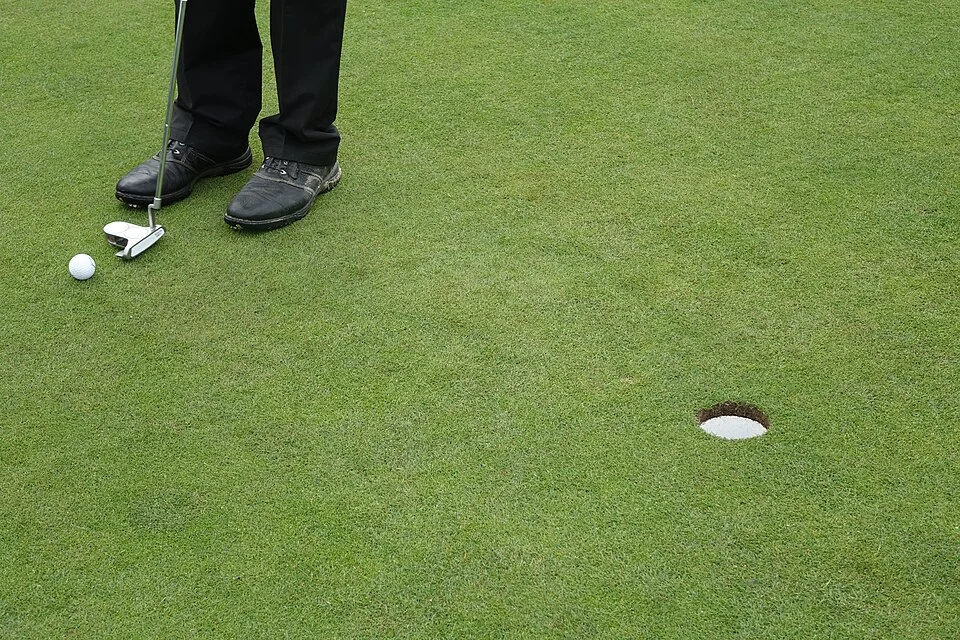
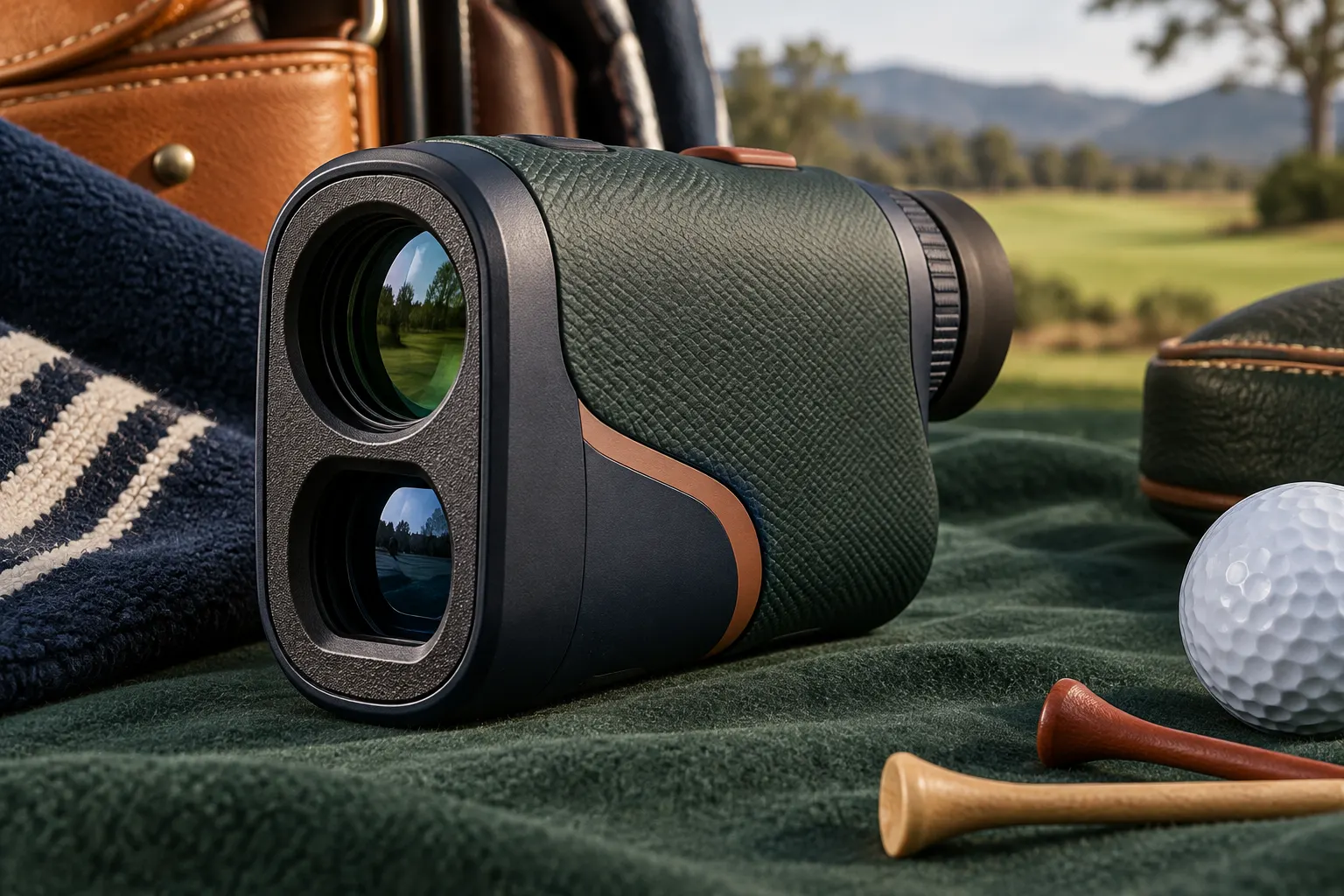
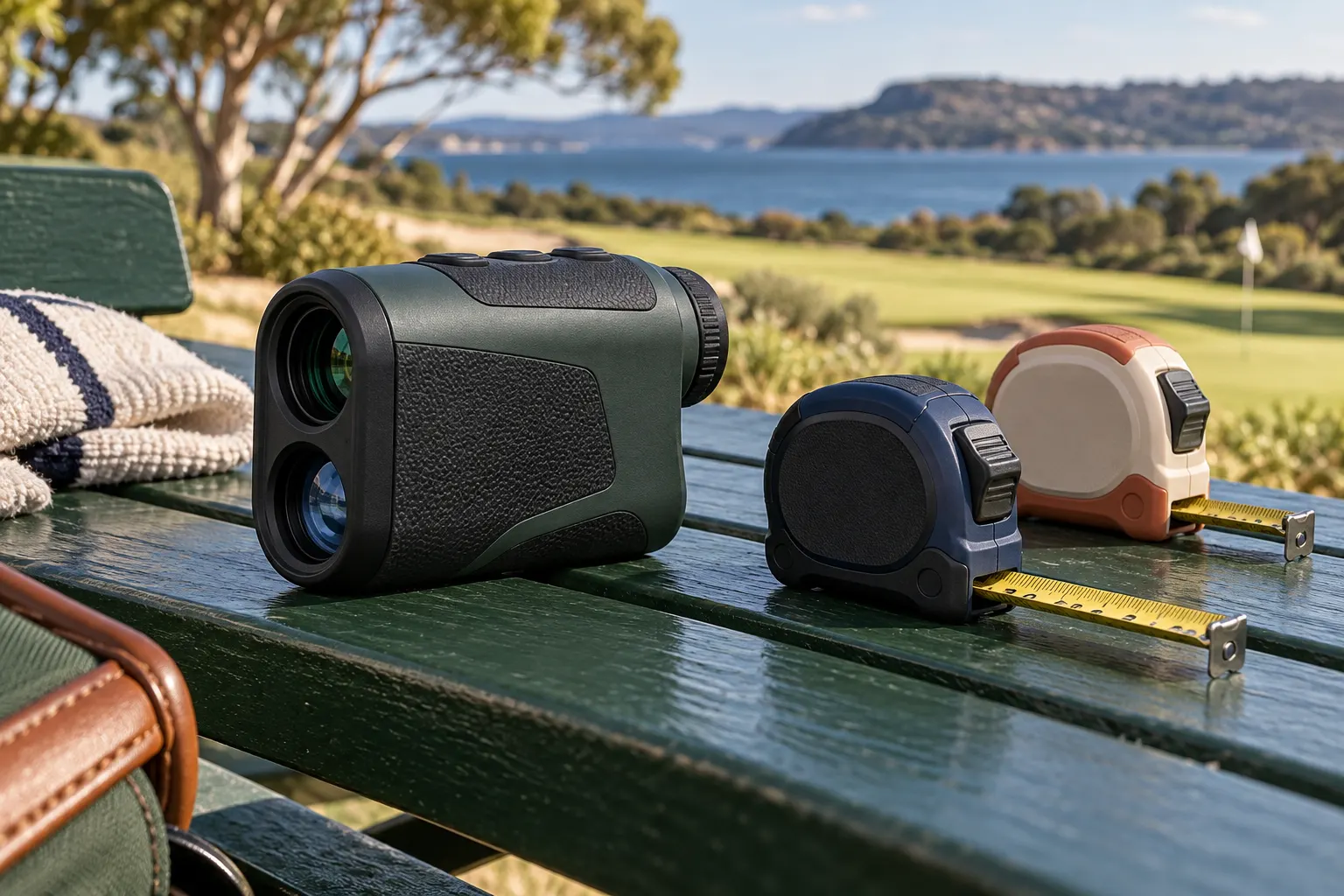
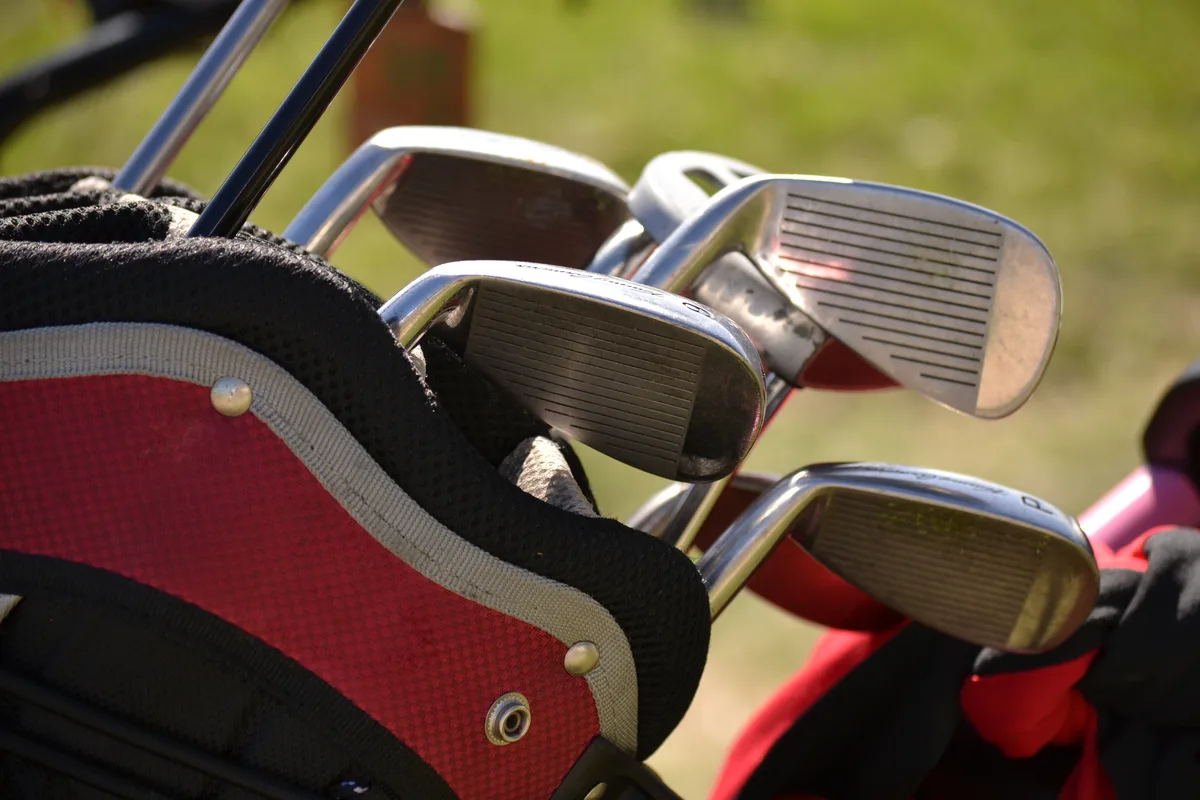
The Bushnell Tour V6/V6 Shift manual describes model-specific operation and specifications. Unit choice is a different issue from slope-related features, target acquisition or competition permission. Do not assume that switching from yards to metres disables every other feature or makes a mode suitable for a particular event. The bag photograph places the device within a larger equipment inventory, while the putting photograph shows a different kind of golf task. Neither is evidence of a permitted competition mode. Keep those questions in their own records rather than using a successful conversion as a general approval.
Save a distance record that remains readable
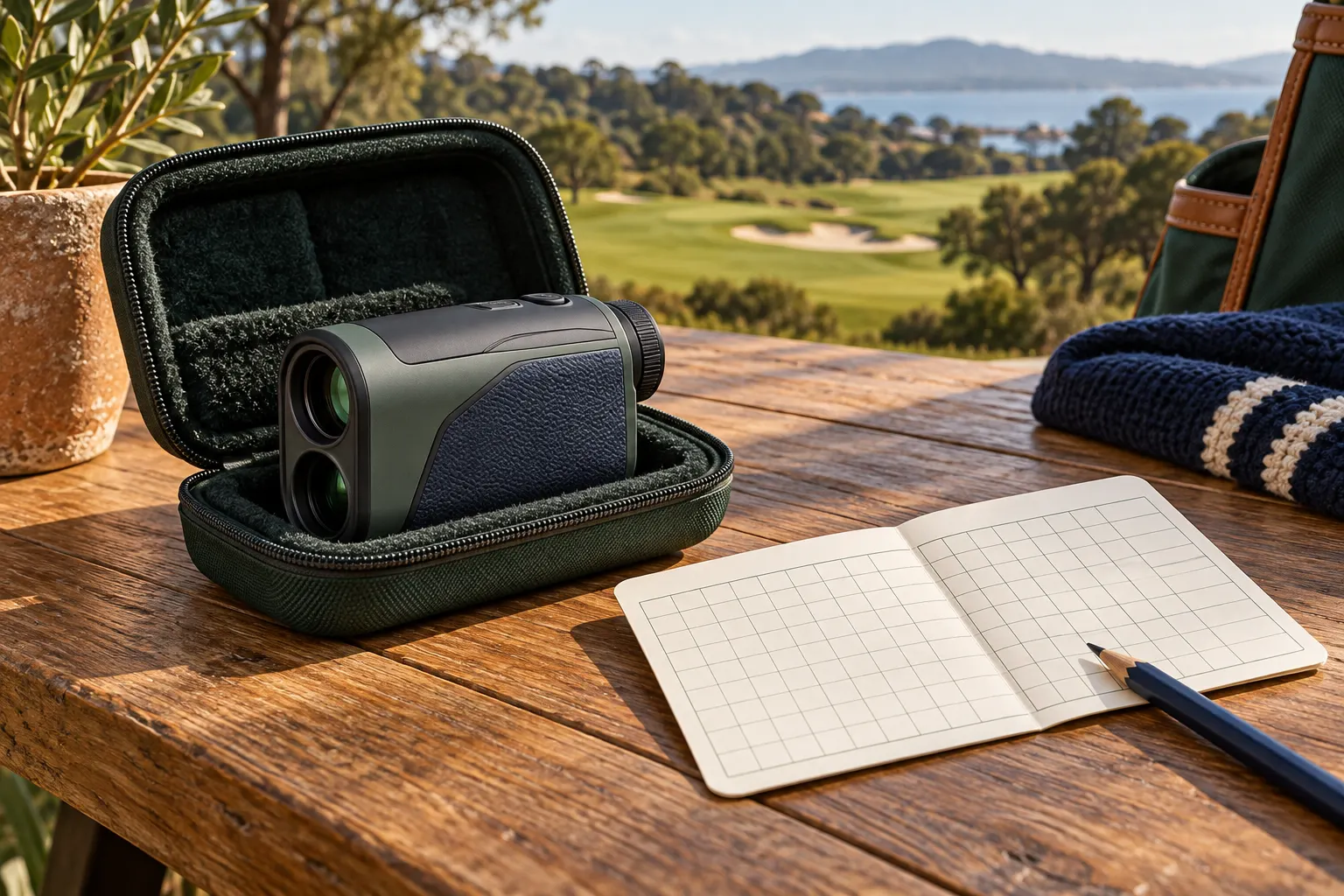
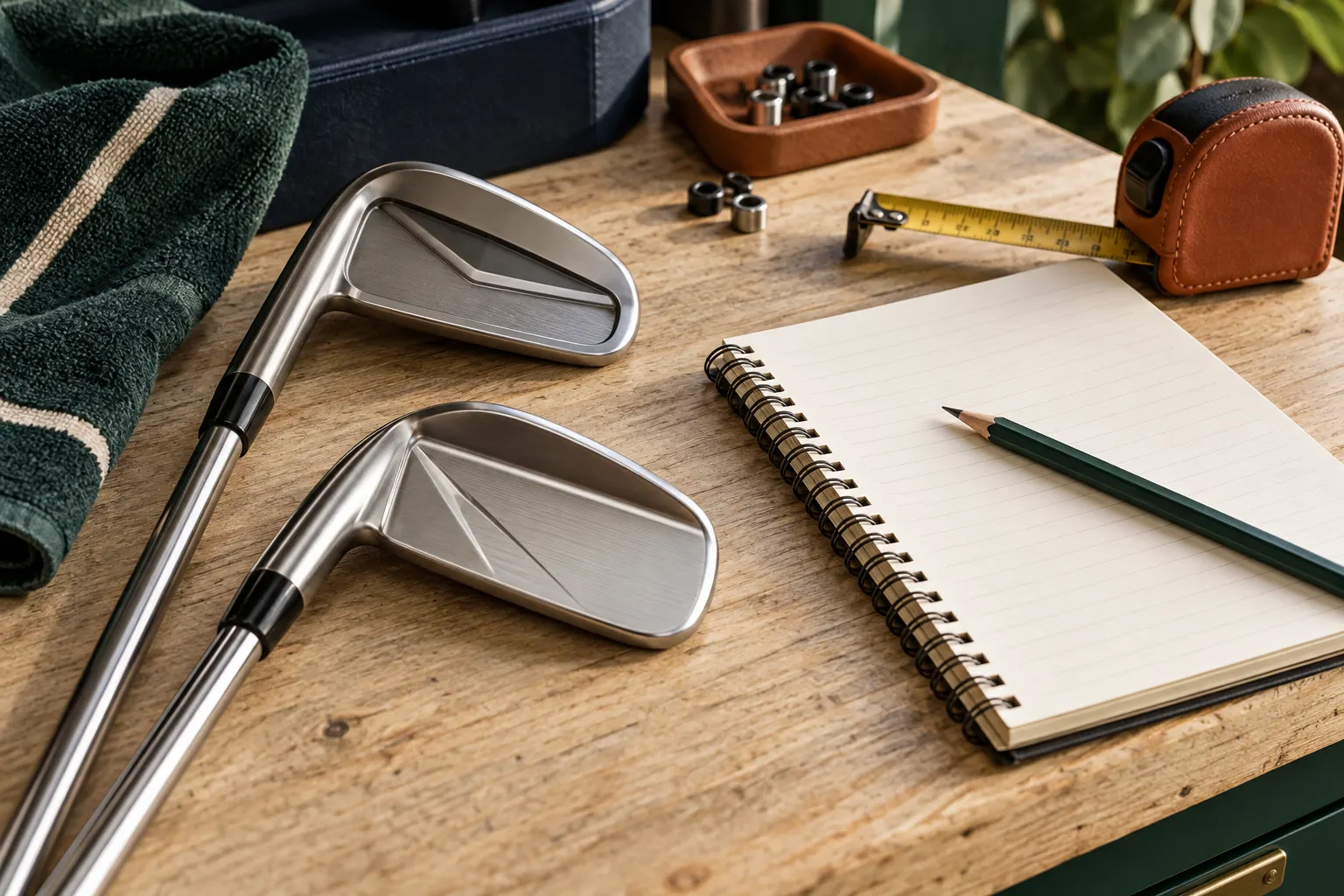
A useful entry identifies the device, date, target description, original unit and any calculated conversion. Keep a practice club-distance record separate from a target-distance reading; the two can have different definitions and conditions. Our converter provides arithmetic only and makes no club recommendation. Use it to review labelled records, not to hide unknown settings behind a familiar unit. If the actual display or manual cannot establish the original unit, leave the comparison unresolved until it can be identified. That is a more reliable outcome than treating the same bare number as interchangeable yards and metres.
Open official model documentation ? Open official model documentation ?