Compare the loft table before comparing iron numbers
Compare exact-model loft and length tables before treating two irons with the same number as equivalent.
Updated:
An iron number is not a complete specification
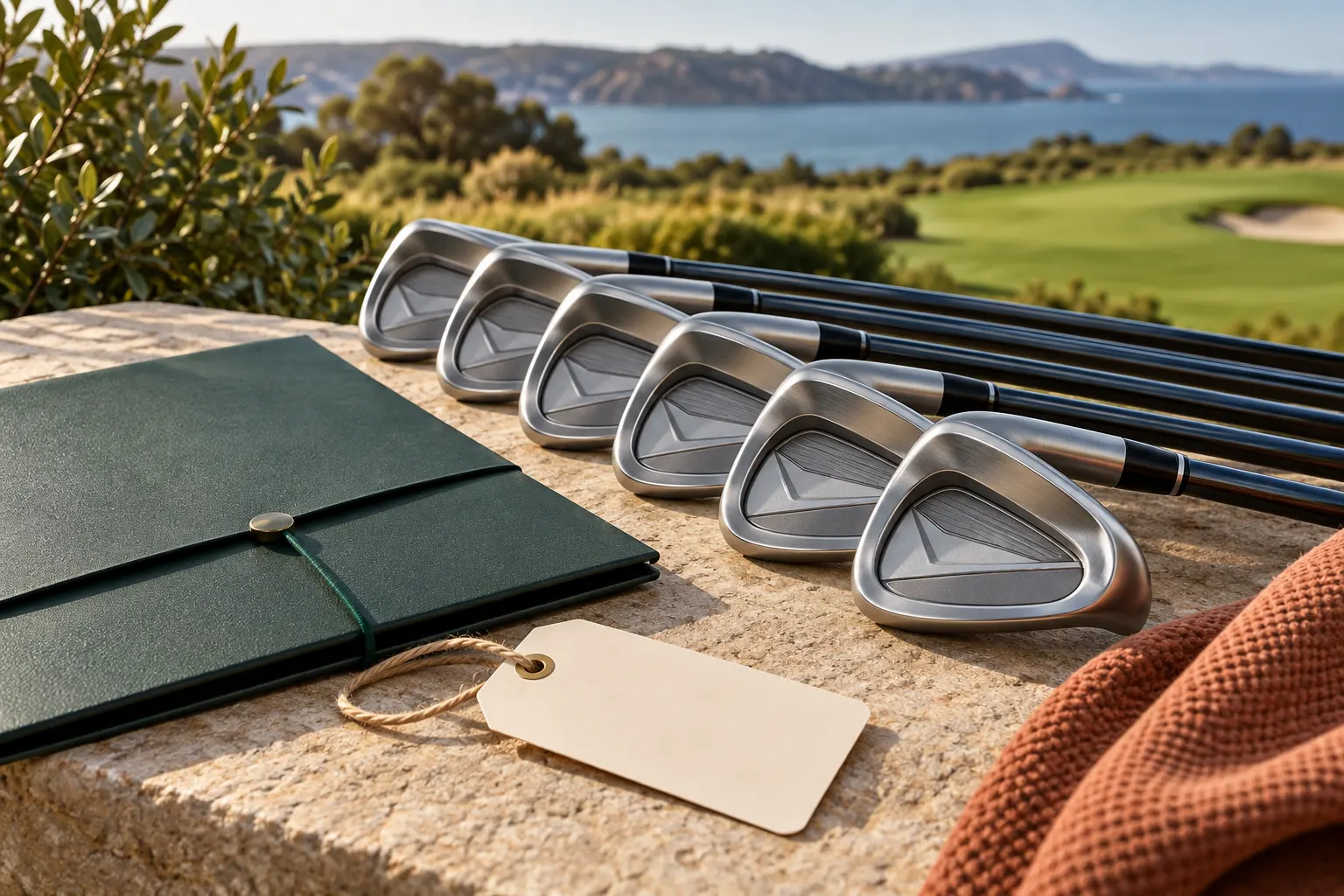
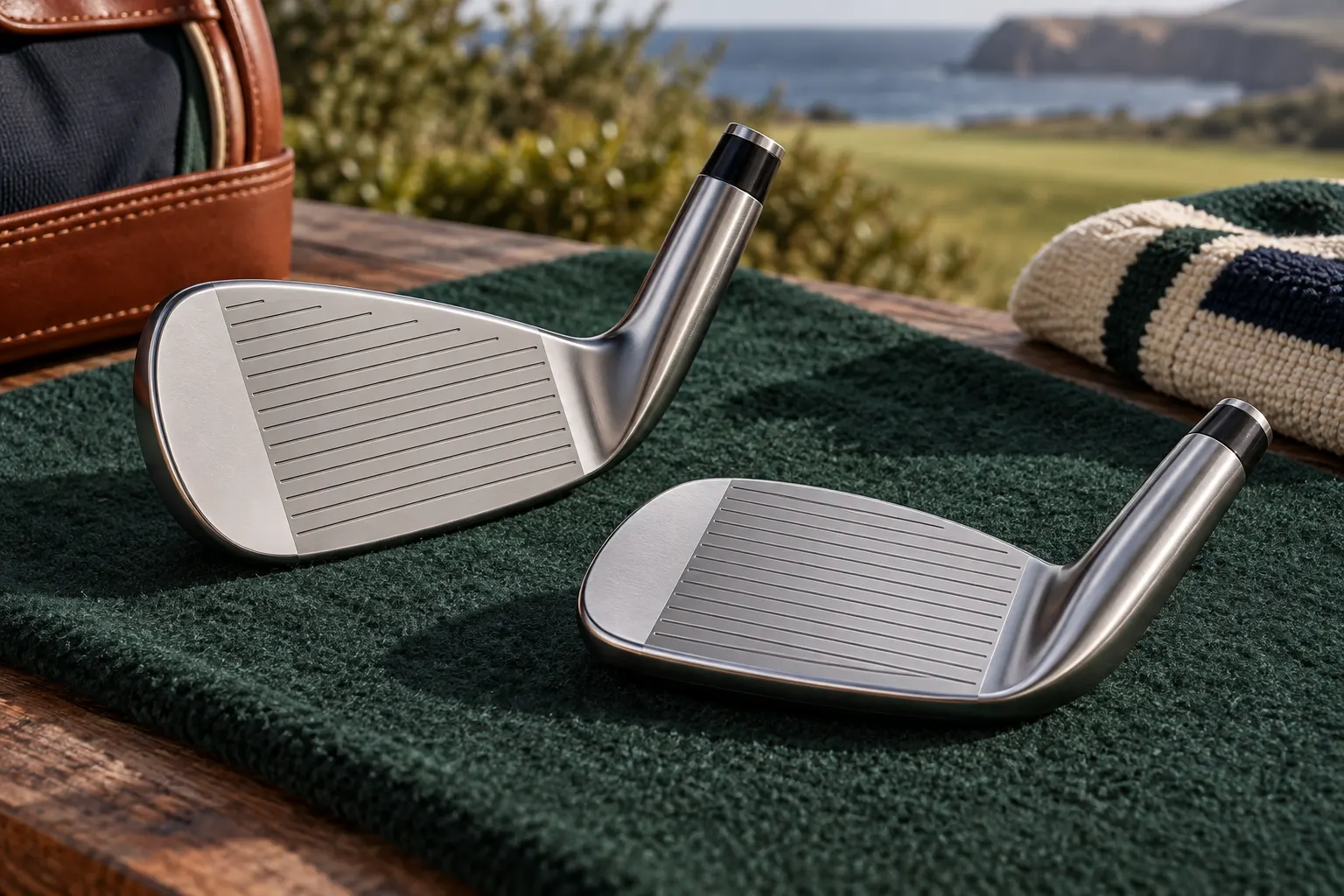
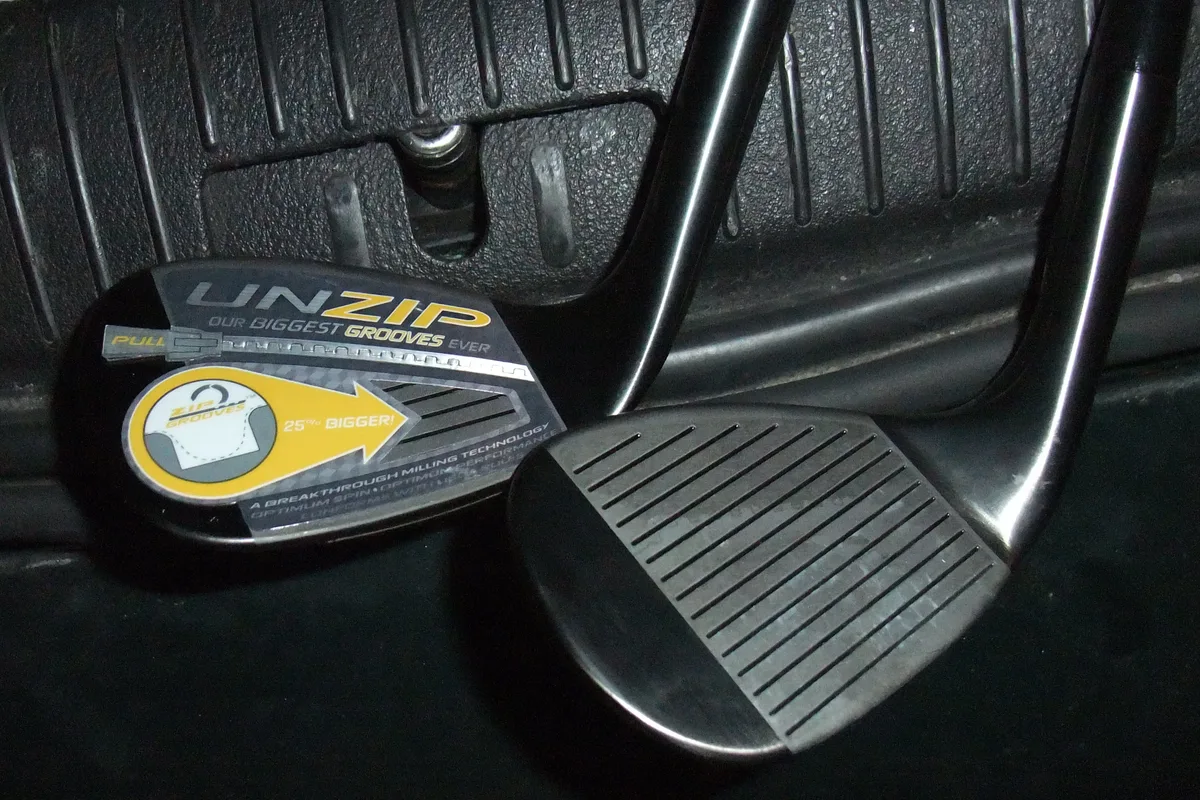
Compare the exact-model loft table before assuming two clubs labelled 7-iron describe the same configuration. PING's global G440 table lists a standard 7-iron loft of 29 degrees, with different Power and Retro loft options. Those labels identify documented alternatives within that product family; they do not tell us which will suit a particular player. The archived Callaway X-20 photograph depicts a different source-identified model and makes the need for separate model records visible. The pictured head is not evidence for the G440 specifications, and we have not tested either model's distance or forgiveness.
PING G440 documented specifications ?
Read the neighbouring clubs as a sequence
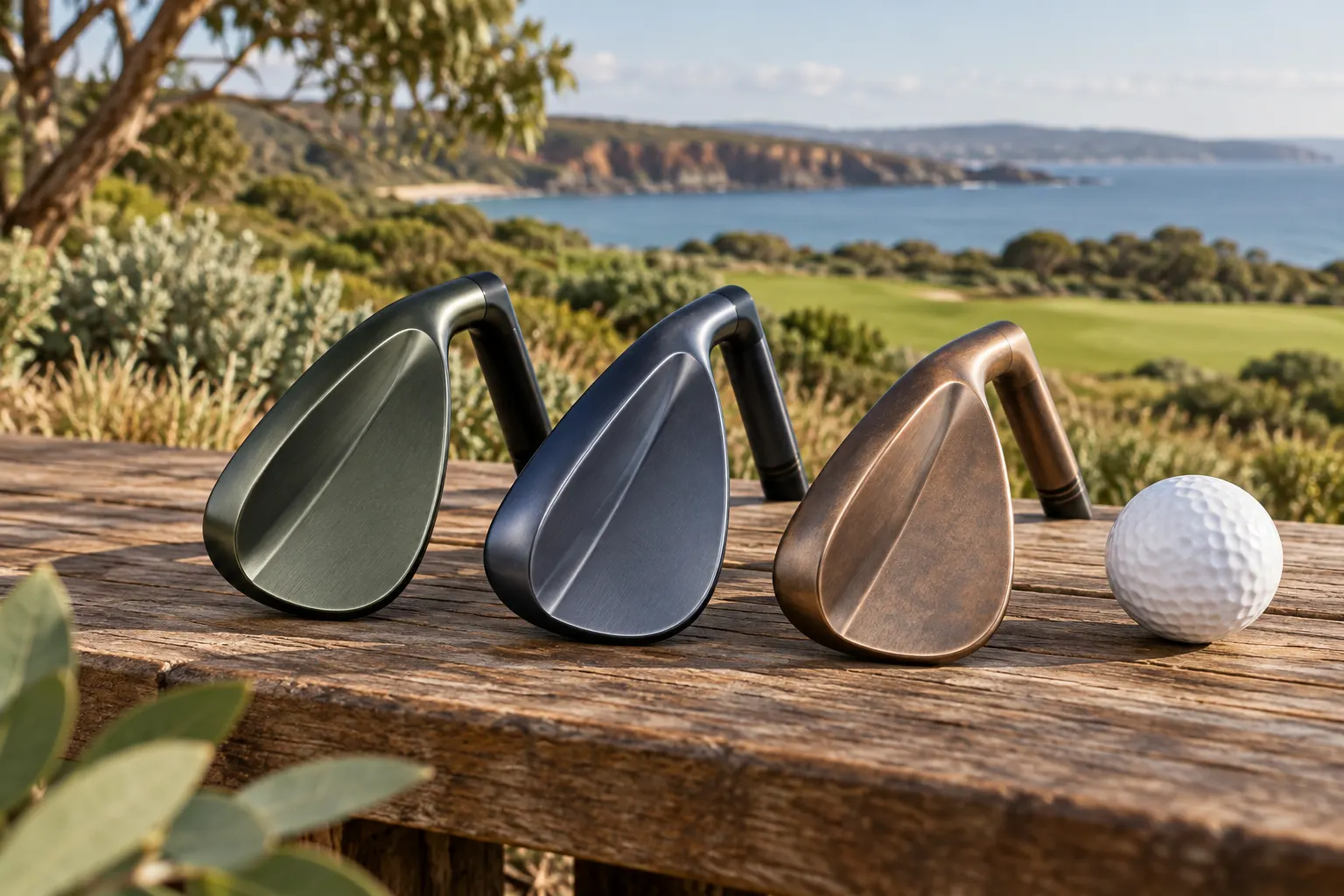
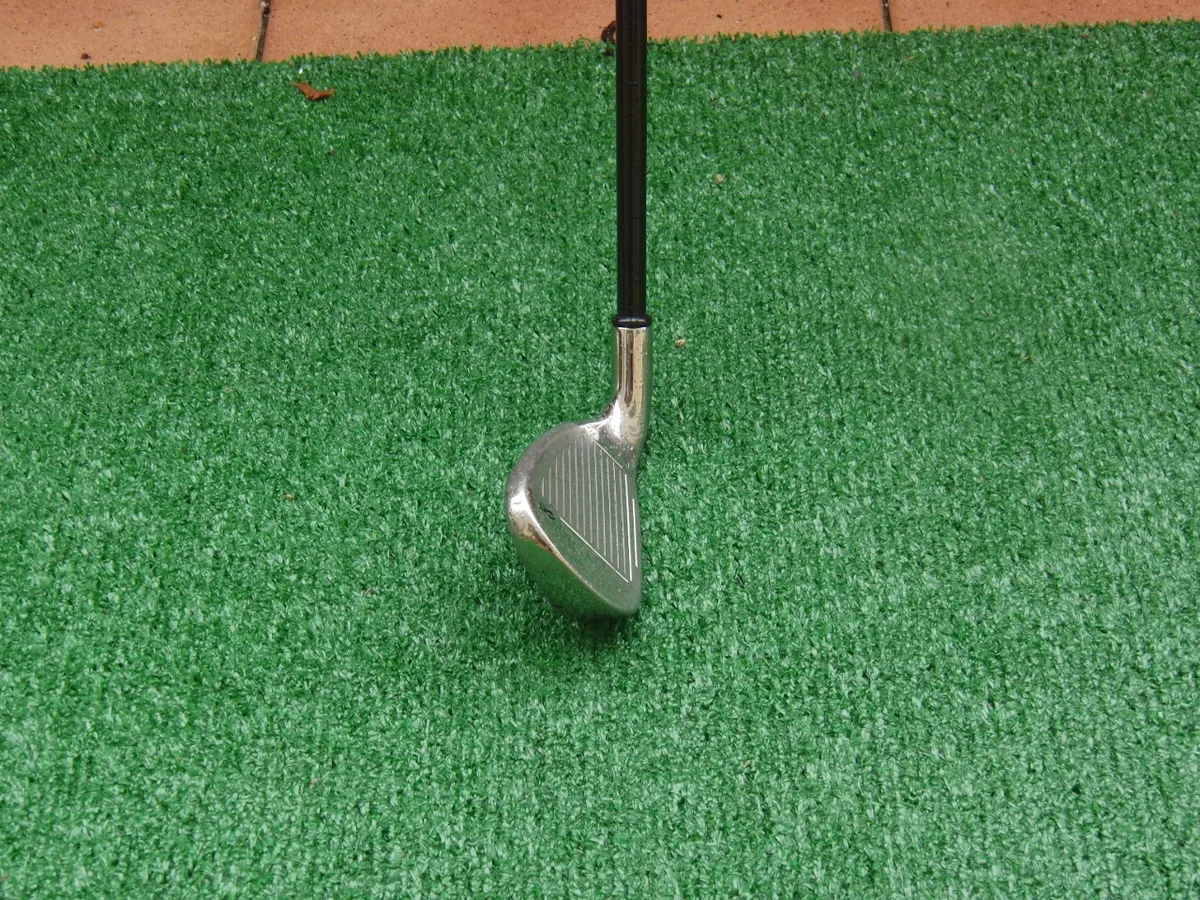
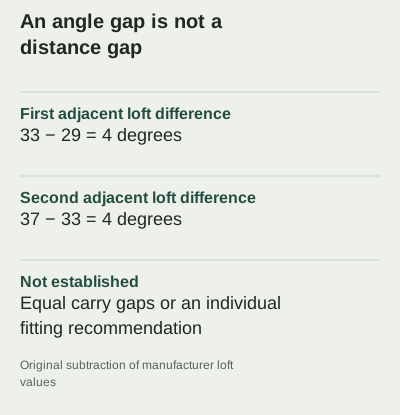
In the standard G440 table, the 7-iron is 29 degrees, the 8-iron 33 degrees and the 9-iron 37 degrees. The adjacent nominal loft differences are 4 degrees and 4 degrees. Preserve the table's exact model and loft option with those values rather than mixing an altered 7-iron into a standard sequence without saying so. Equal loft differences do not establish equal carry differences, because the actual result involves the complete equipment configuration and the player. The older wedge photograph illustrates separately identified heads, not a measured distance ladder or evidence for a universal loft progression.
Length is another column worth preserving
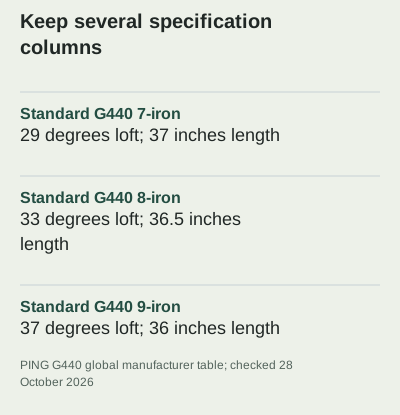
The same manufacturer's standard table lists those three irons at 37 inches, 36.5 inches and 36 inches respectively. This shows why a comparison limited to the number printed on the sole can omit a meaningful configuration difference. Keep lie, shaft and other build details with the record too. The figures are design specifications subject to the manufacturer's stated tolerances, not our measurements of an individual delivered club. A more precise-looking catalogue table does not remove the need to identify an actual club's build, particularly if it has been adjusted or reshafted after purchase.
Keep distance claims out of the specification-only comparison
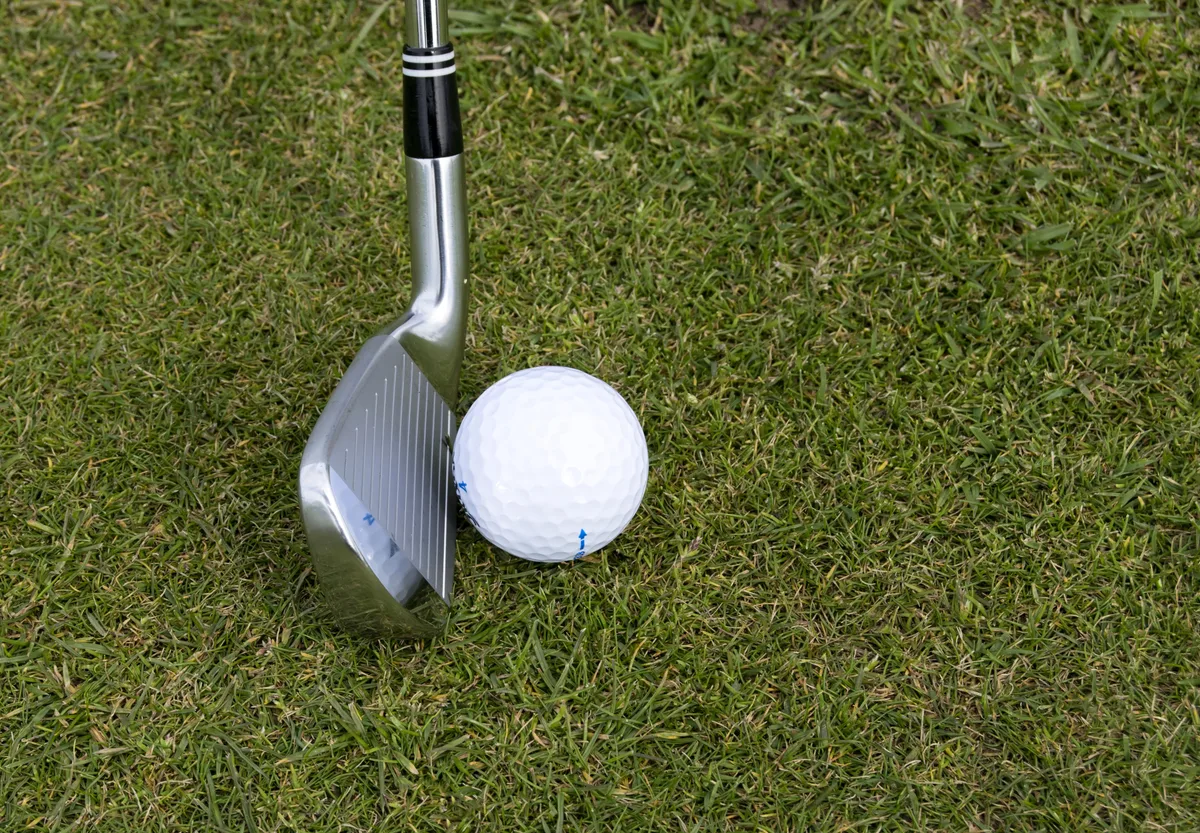
The iron-and-ball photograph identifies the equipment category but contains no launch data. Do not convert a smaller loft number into an invented number of extra metres or claim that a longer shaft automatically improves a player's result. A fitting comparison needs its own raw data, mode, ball and configuration record. If the proposed purchase is based on a distance claim, ask for the evidence that connects that claim to the specific trial rather than using a table of nominal angles as a substitute. This also helps distinguish a manufacturer's product description from an independent performance test.
Write a shortlist that can be checked later
A useful comparison line names the manufacturer, model, club number, loft option and length, followed by the actual reason you want to trial it. Record what remains unknown instead of ranking products by iron number or the strongest nominal loft alone. Keep Australian availability, seller quotation and fitting conditions separate from the global specification page; its presence does not establish local stock or a delivered AUD price. The finished table should let you compare like-labelled clubs accurately and explain the next practical trial question, while leaving individual suitability to evidence beyond the printed number.
Open official model documentation ?