Separate wedge loft gaps from measured carry gaps
Use a loft sequence as one record and your measured carry sequence as another when planning the short end of a set.
Updated:
Keep angle gaps separate from flight gaps
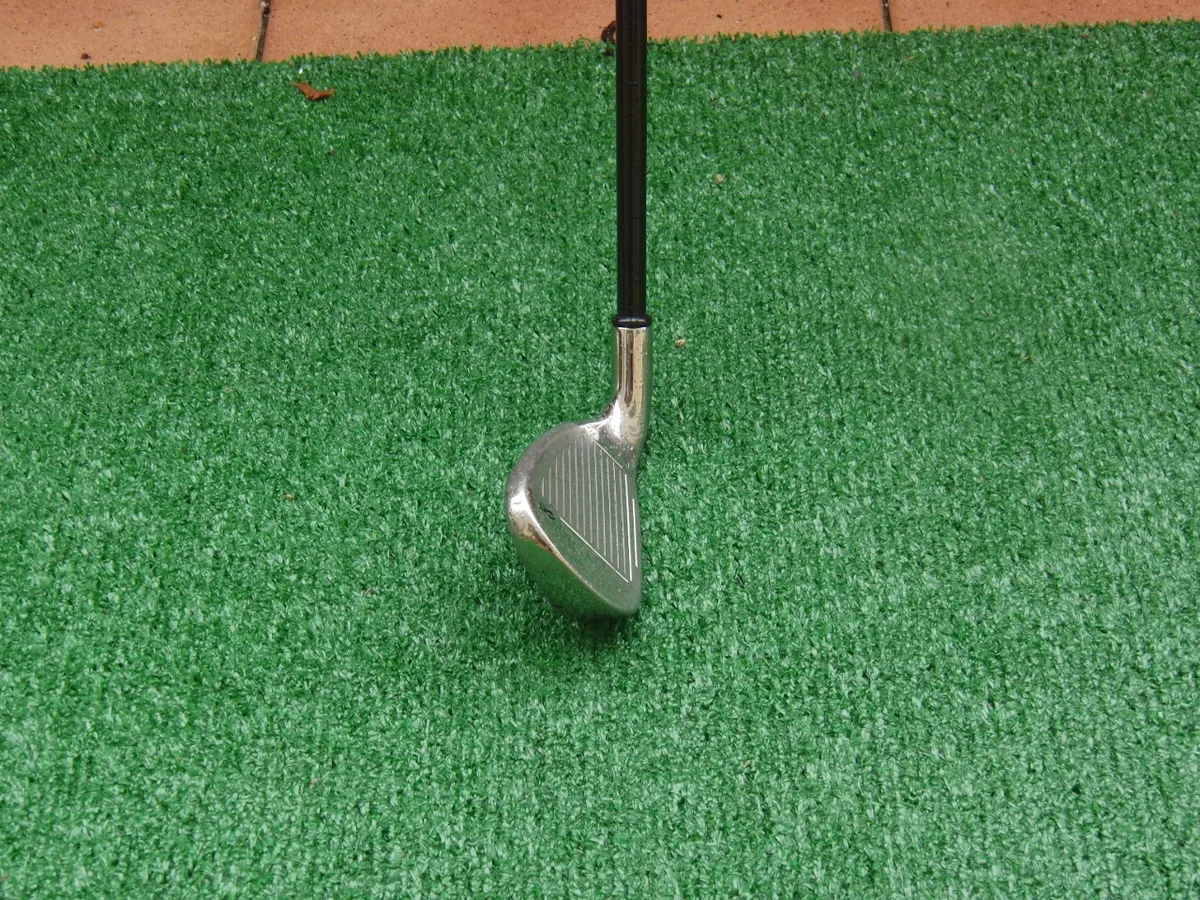
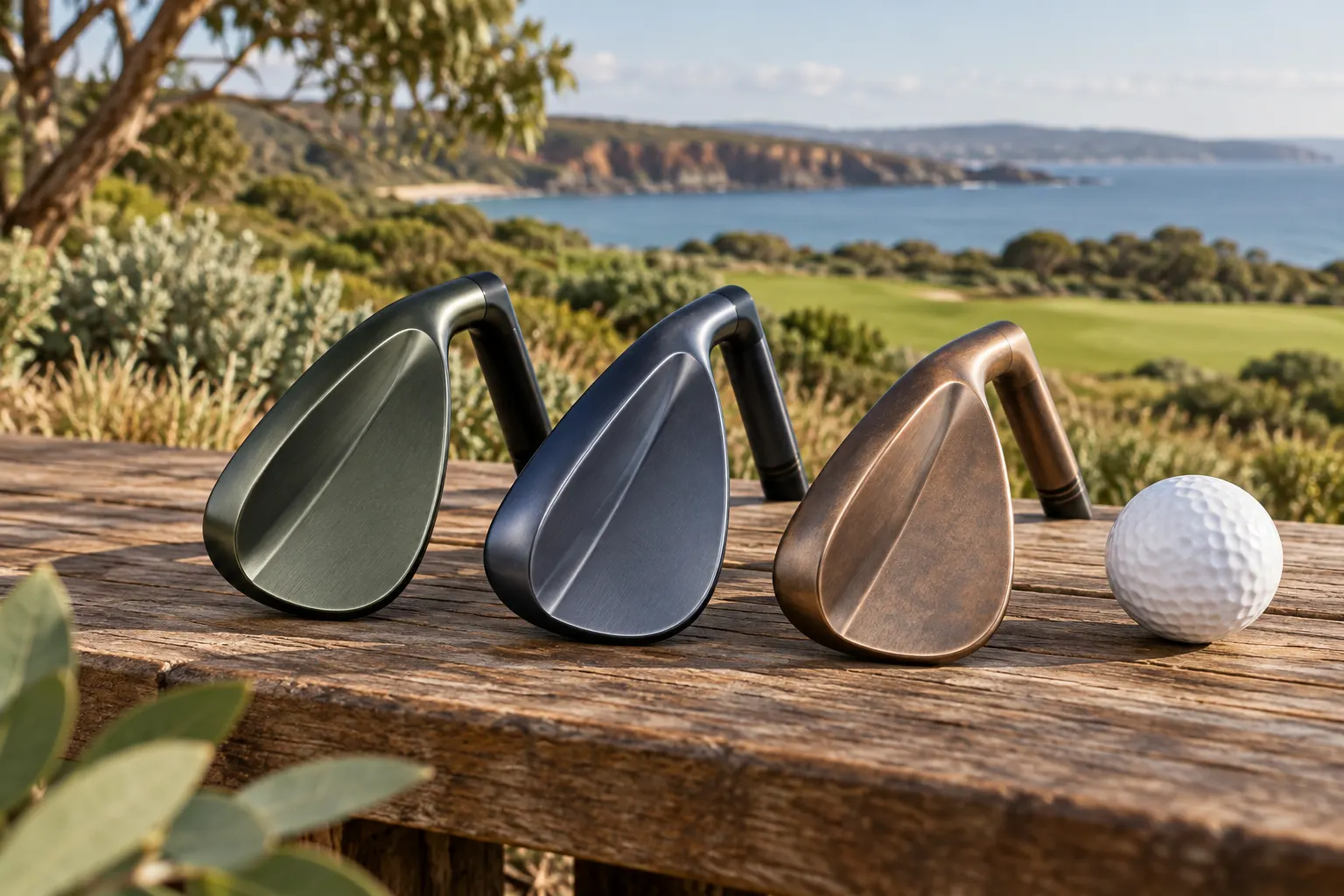
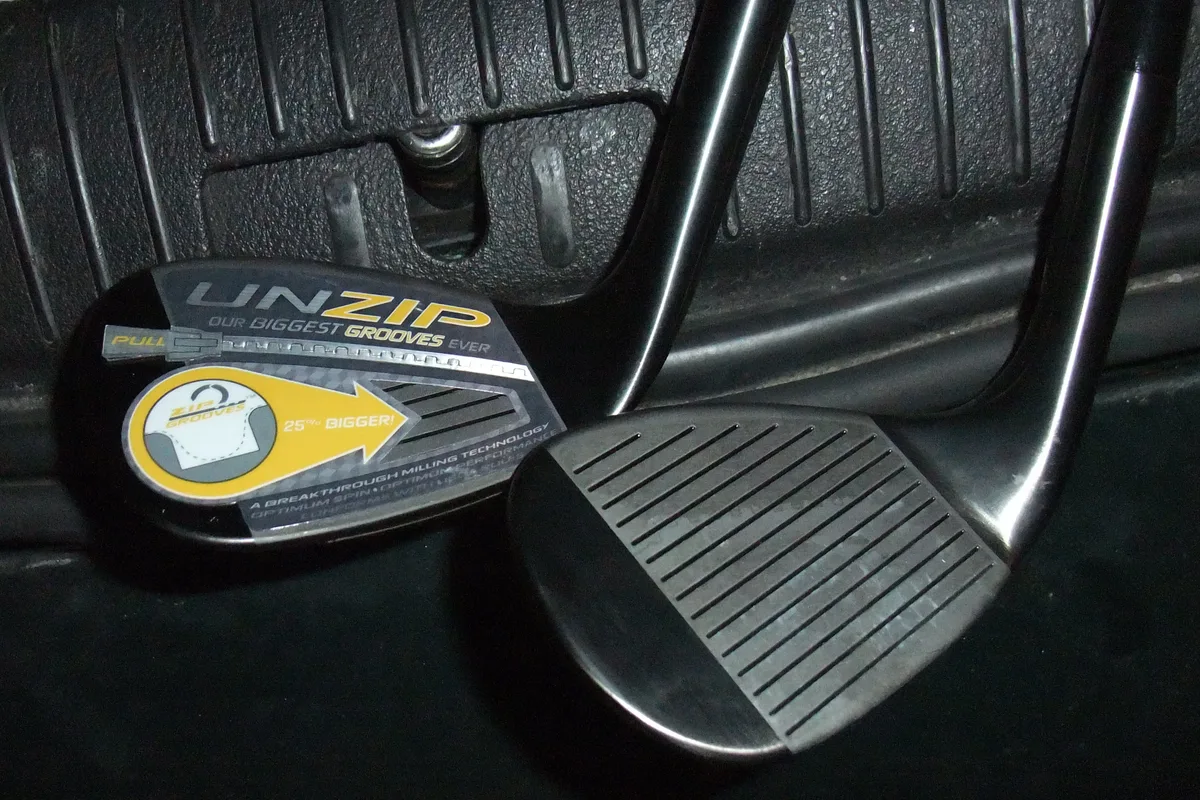
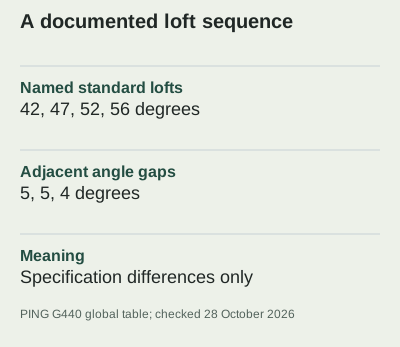
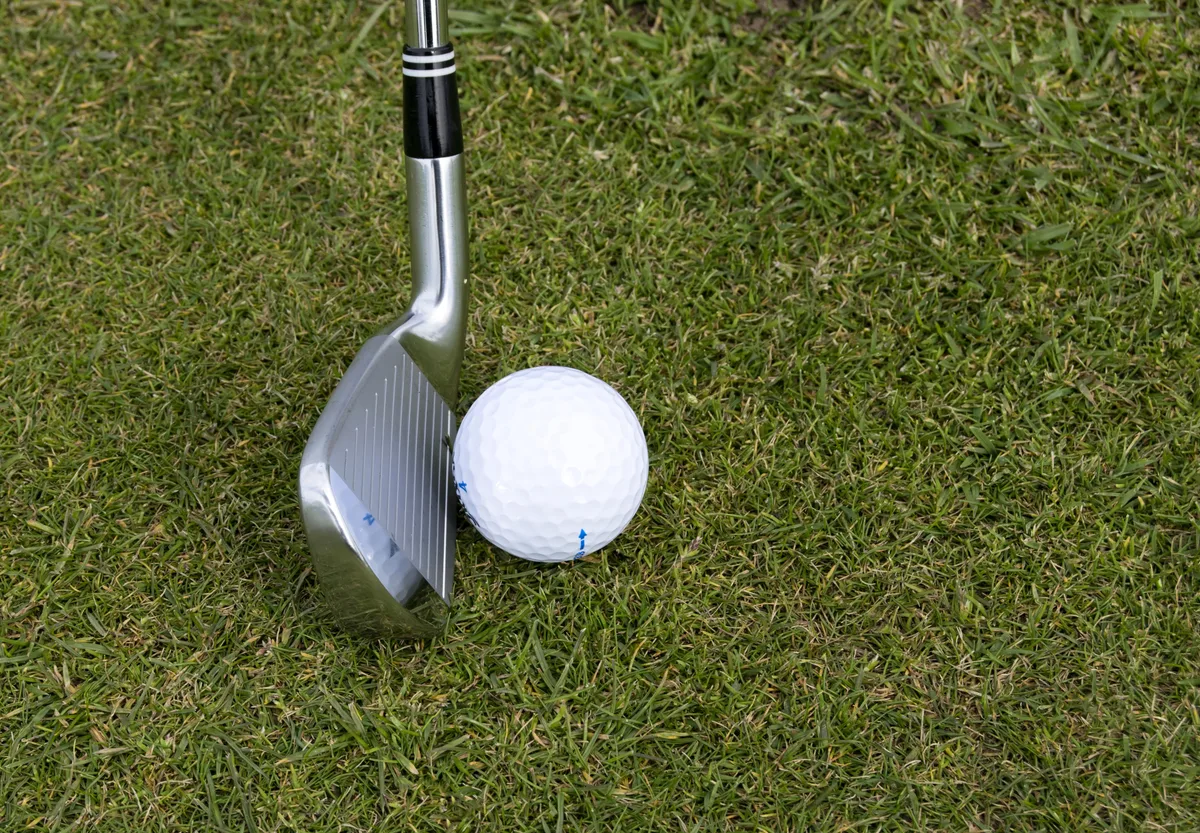
A wedge plan needs both the actual loft sequence and a separate record of relevant shot distances. Subtracting lofts gives an angle difference, not a carry prediction. PING's standard G440 table lists its pitching wedge at 42 degrees and its utility wedge at 47 degrees, followed by named 52-degree and 56-degree wedges. Those specifications provide one documented example, not a recommended short-game set for every golfer. The archived Cleveland wedges in the photograph are different models, shown to make individual club identification visible rather than to illustrate a tested PING carry gap.
PING G440 documented specifications ? Trackman carry definition ?
Calculate the nominal sequence correctly
For that named standard sequence, the differences are 47 − 42 = 5 degrees, 52 − 47 = 5 degrees and 56 − 52 = 4 degrees. Keep the loft option and actual club identity beside each entry. If a club has been adjusted, the stock table may no longer describe it, and a later workshop record needs its own date and method. Do not assume that matching the apparent pattern proves a complete set or that changing a loft is an appropriate do-it-yourself solution. The whole build and permitted adjustment limits need their own qualified evidence.
Work through an explicitly fictional carry record
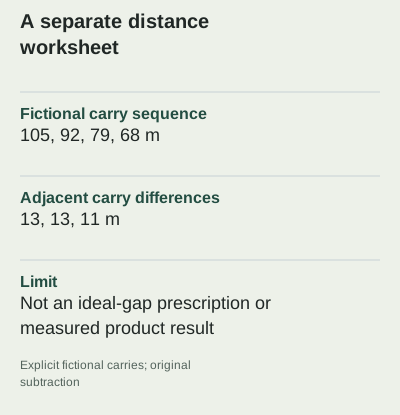
Imagine a consistent-mode practice record with carries of 105 m, 92 m, 79 m and 68 m for four separately identified clubs. The adjacent numerical differences are 13 m, 13 m and 11 m. These are invented values solely to explain the worksheet; no player or manufacturer produced them. They are not an ideal gap standard and do not map automatically to the G440 loft table. Preserve the shot type and data definition as well as the figures, because a full-swing record and another deliberately different shot would answer different questions.
Keep the intended shot and conditions visible
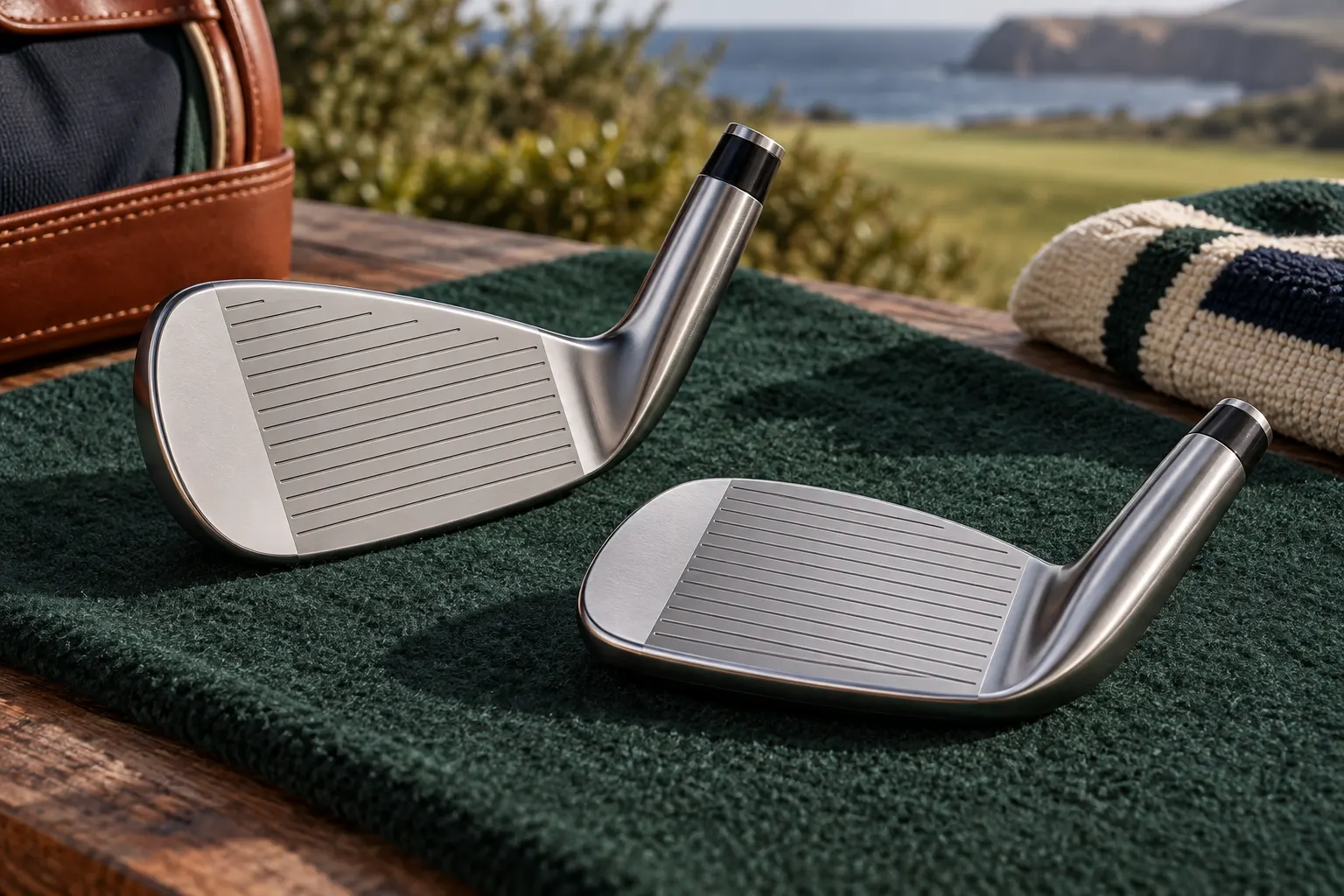
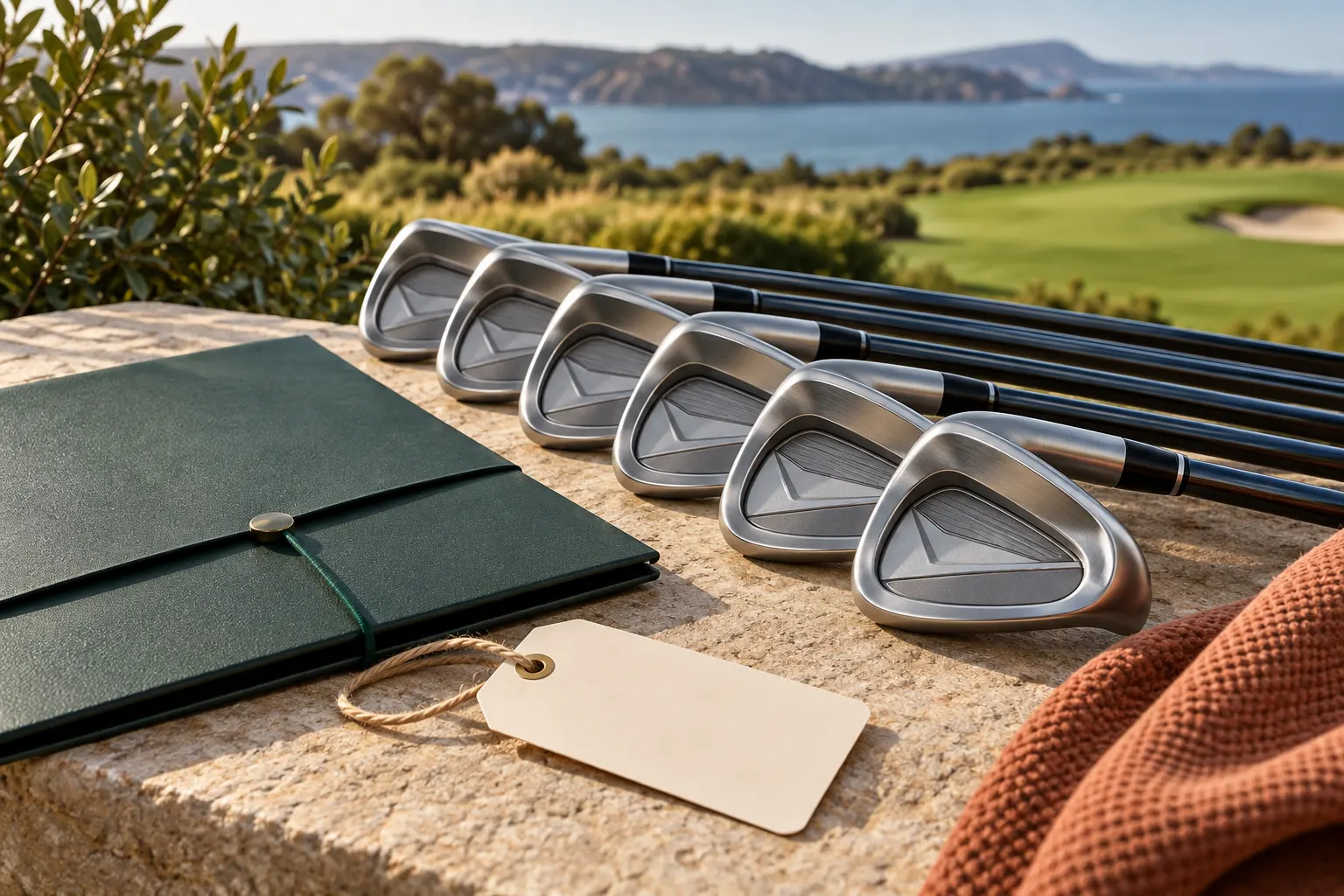
A club's nominal loft is only one field in the equipment record. Keep the ball, surface, measurement mode and intended comparison with the observations. The iron and cavity photographs show physical equipment but cannot establish a launch condition or landing behaviour. Trackman's carry definition also reminds us that the reported quantity has a technical meaning, so the same word should not hide a change in system or mode. If you want to compare alternatives during a fitting, retain the raw results rather than replacing them with a single preferred longest shot or an unsupported claim about stopping power.
Use the plan to identify a trial question
The finished worksheet can show a nominal loft sequence, the observed or explicitly fictional carry sequence and the practical interval you want to investigate. It cannot select a wedge grind, bounce or shaft for you from arithmetic alone. An unresolved interval is a useful fitting question rather than proof that a particular extra club must be bought. Keep the complete-set count in view before adding equipment and preserve the exact proposed build in the quotation. The useful result is a traceable comparison, with angle arithmetic and actual performance evidence allowed to remain different kinds of information.
Open official model documentation ? Open official model documentation ?