Make a practice record that preserves its conditions
Preserve the task, conditions and raw counts behind a practice observation instead of reporting improvement from an isolated percentage.
Updated:
Write down what the session actually measured
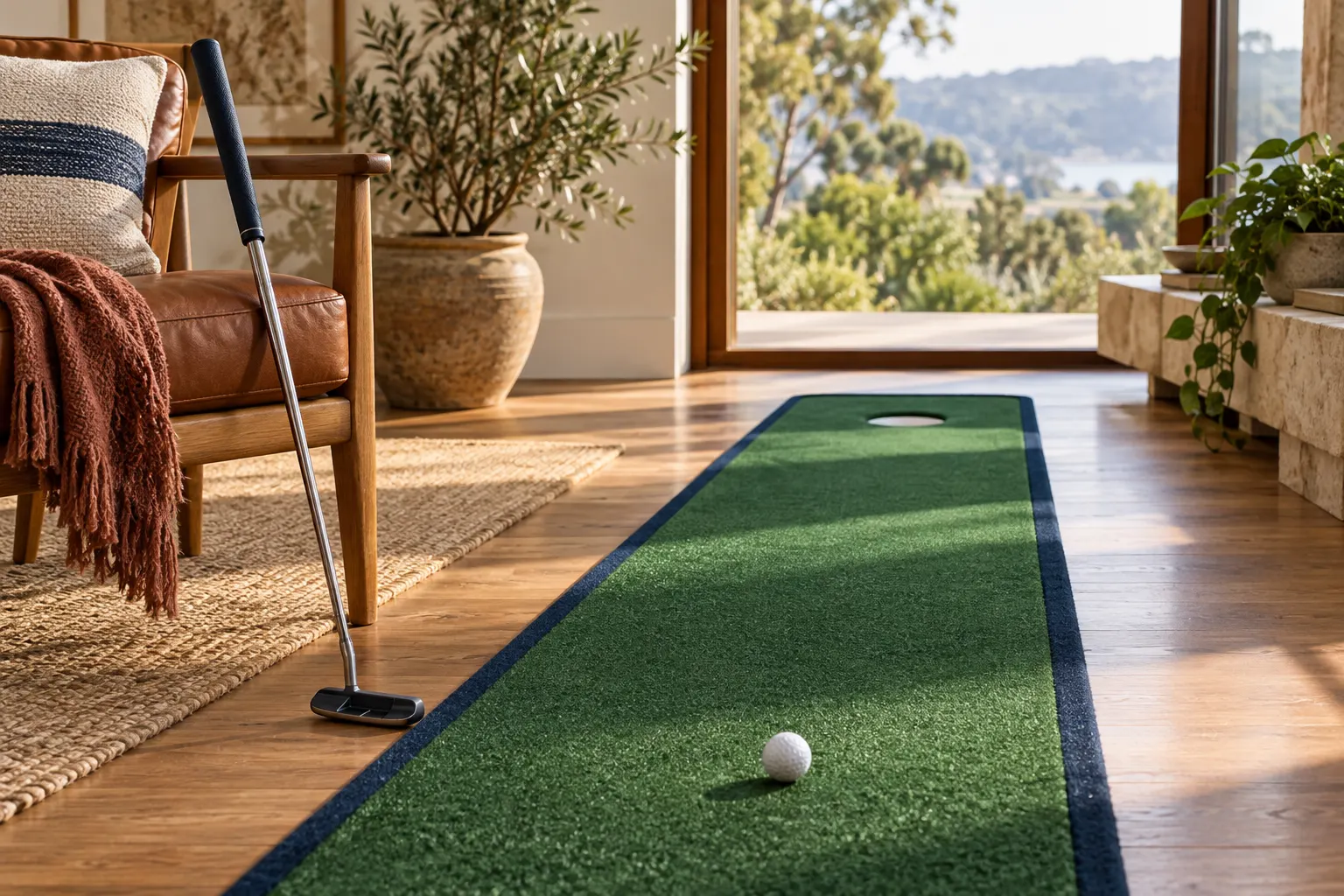
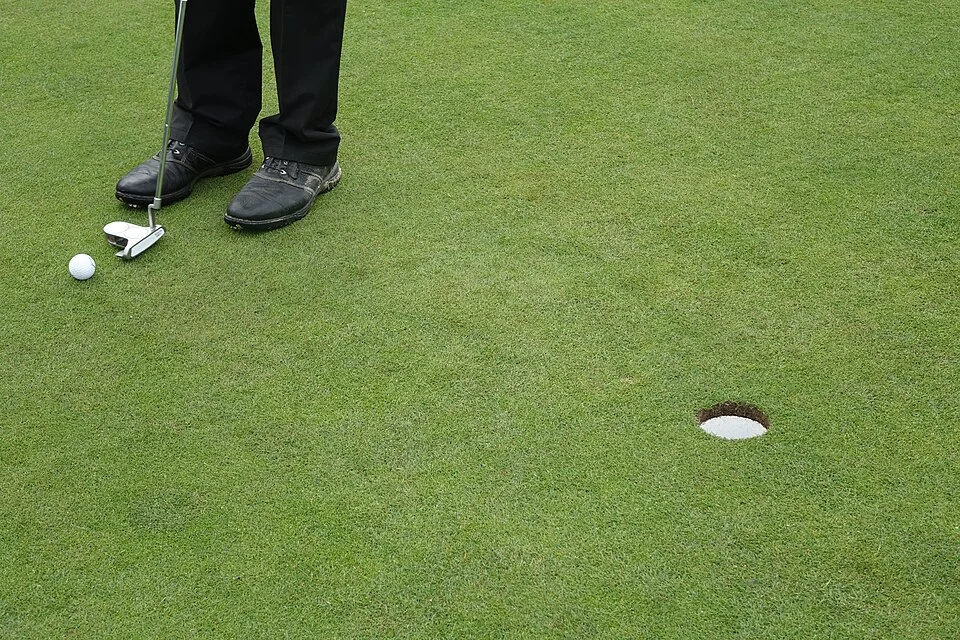
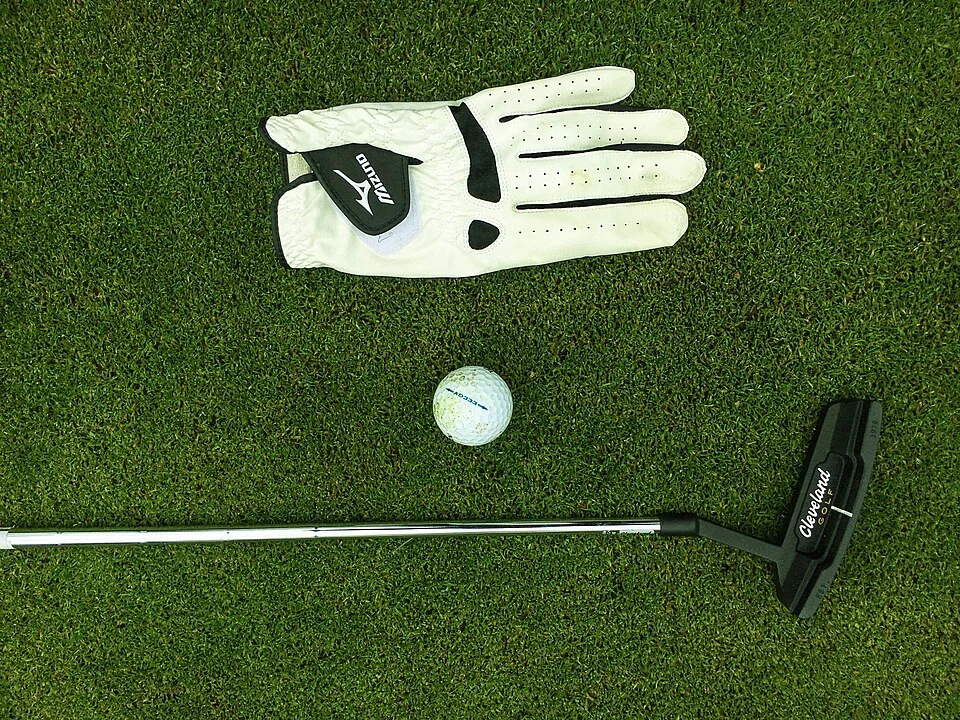
A useful practice record names the task, equipment, conditions and definition of the result before summarising it. A count of balls reaching a chosen target is different from carry distance, and a modelled range reading is different from an unconverted observation. Trackman Range's explanation of carry modes provides one example of why settings matter. The real putting photograph shows the equipment and green context, not a controlled training trial. It cannot establish the distance, task difficulty or result of a session you are recording elsewhere.
Trackman Range actual and flat carry ? PuttOUT Medium Mat manufacturer dimensions ?
Use a complete fictional count example
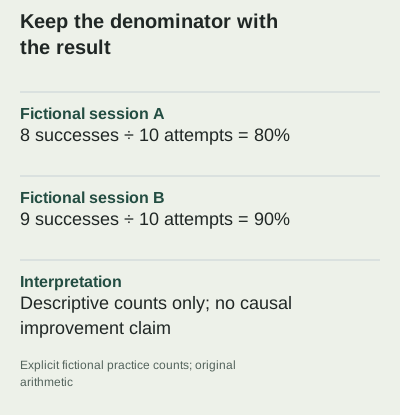
Imagine a clearly fictional putting task with 10 attempts and 8 recorded successes under a stated definition. The descriptive fraction is 8 ÷ 10 = 80%. In a second fictional session, 9 of 10 attempts gives 90%. These figures describe those invented counts only; they are not a standard for your ability, a recommended number of attempts or evidence of a durable improvement. Keep every attempt and the success definition in the raw record. Do not remove an unwanted attempt after seeing the total merely to make the percentage more attractive.
Keep a combined total separate from the comparison
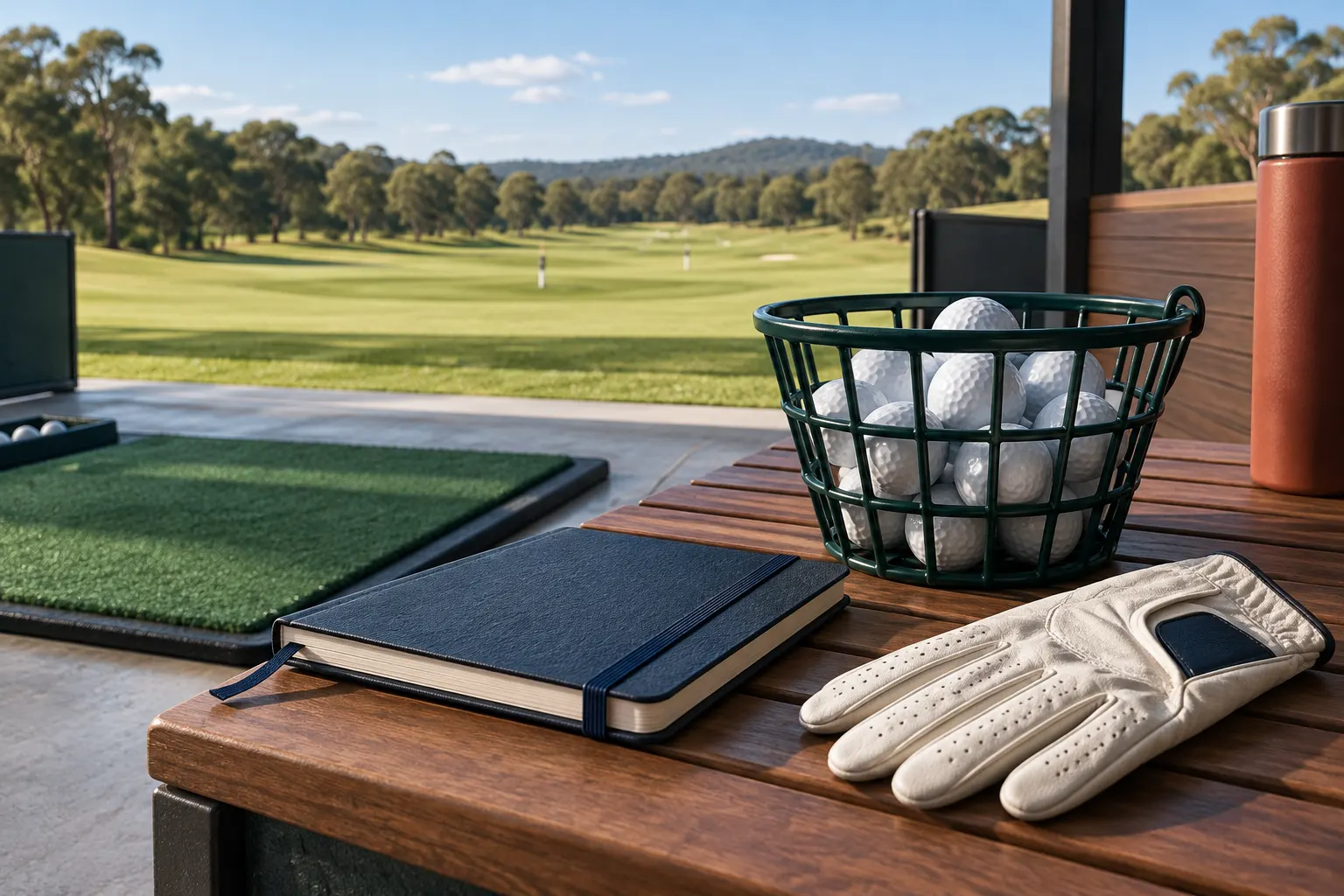
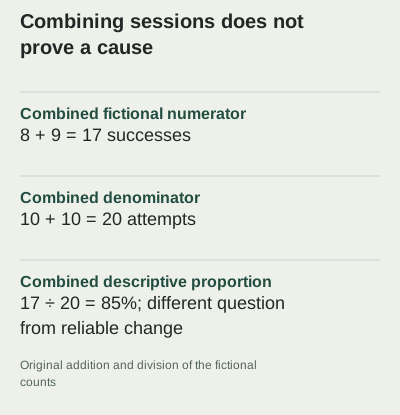
Combining those two fictional sessions gives 17 successes from 20 attempts, or 85%. That combined percentage answers a different question from whether the second session represents a reliable change. The task, distance, surface, equipment and other conditions may differ, and a small descriptive record does not establish a cause. If the goal is to compare sessions, keep those conditions visible rather than presenting the larger percentage as a product testimonial. The glove and ball photograph identifies ordinary equipment items; it does not prove that a different glove, putter or practice aid produced the result.
Preserve the surface and measuring mode
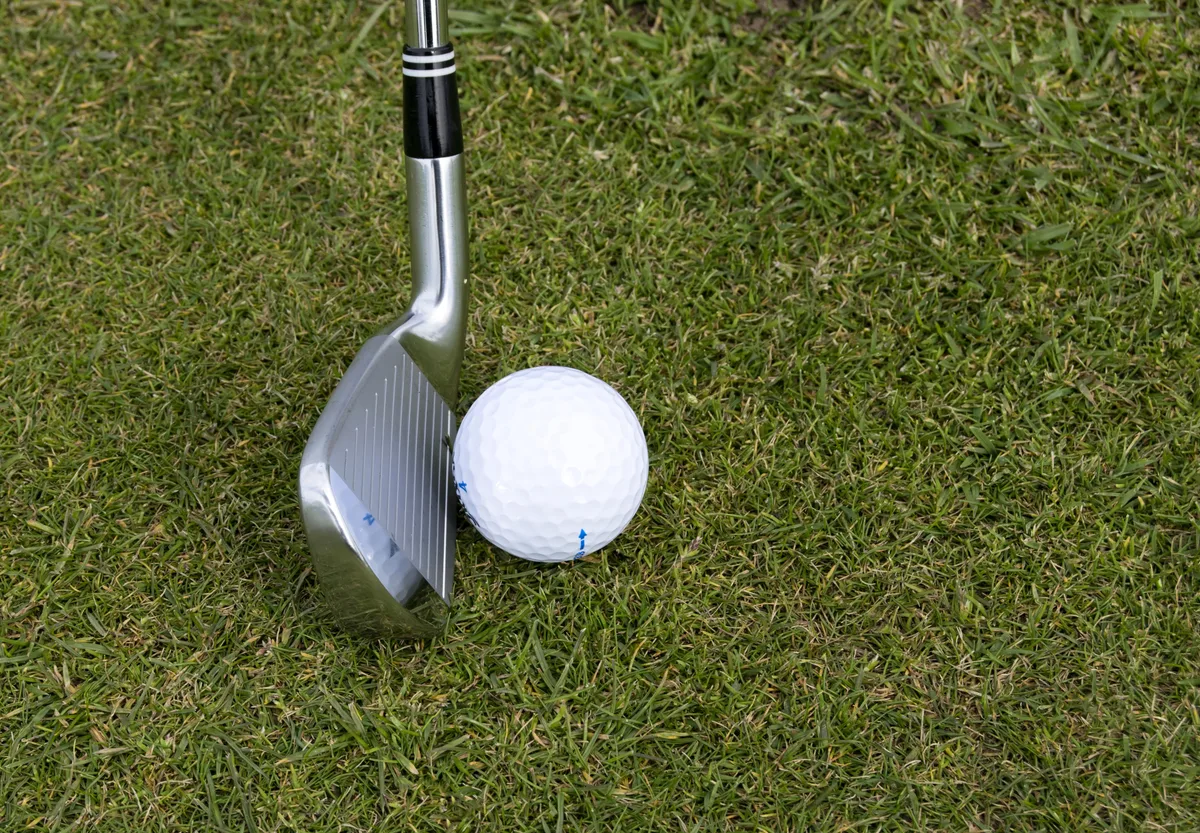
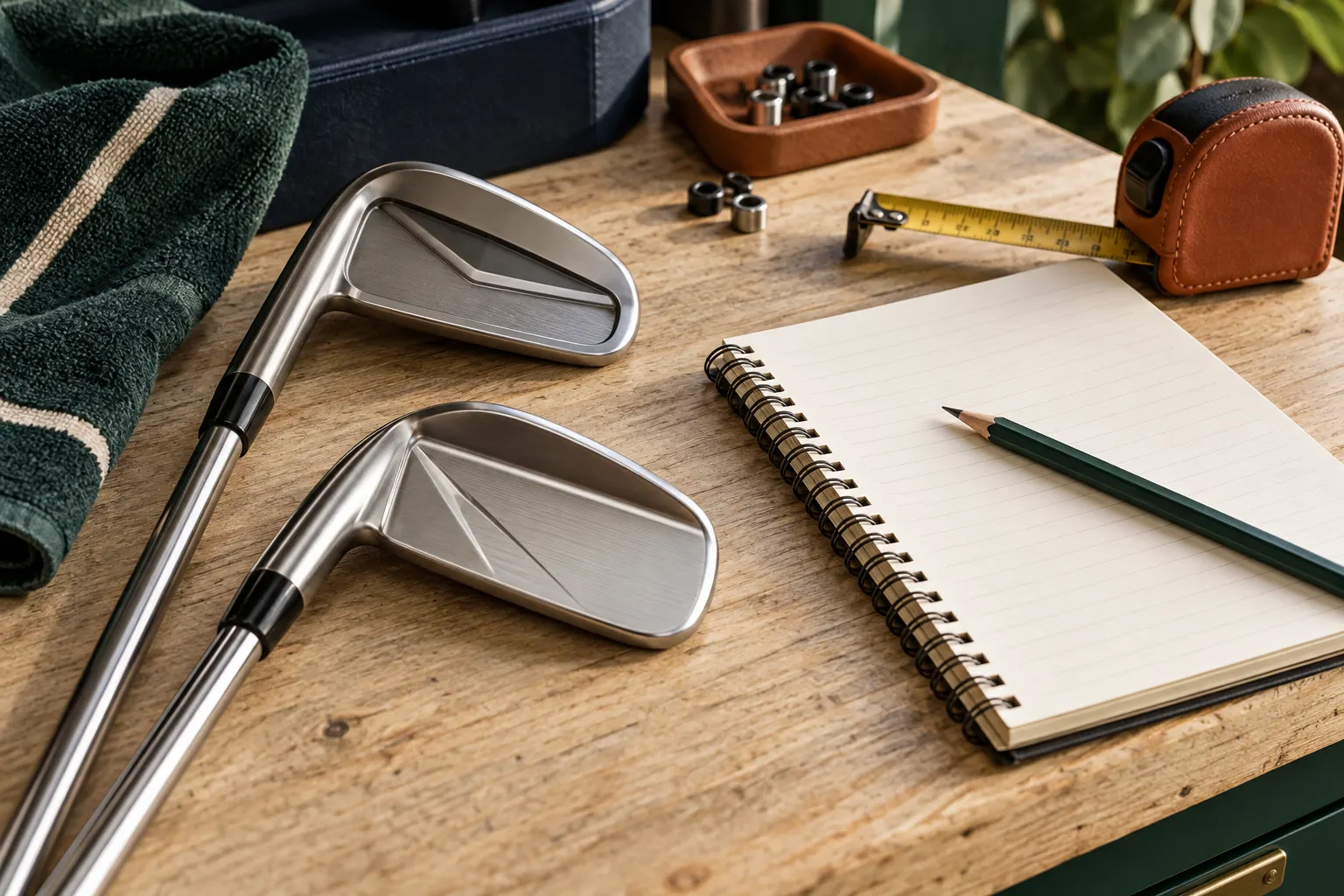
For a home putting mat, save the exact model and setup conditions rather than describing every indoor surface as equivalent to a course. PuttOUT's stated dimensions and surface description belong to its own product documentation, not a measurement of your room or green. For range-distance records, preserve the ball conversion mode and the quantity being summarised. The iron photograph illustrates a different type of equipment and task, reminding us not to mix a putting count with a carry-distance sample. A consistent label is part of the data, not an optional note to reconstruct later.
Use observations to ask a better next question
A good session note can explain what was attempted, what was observed and what remains uncertain. It can guide a discussion with an appropriate coach or fitter without pretending to diagnose a swing or prescribe a training load. Keep cost, attendance and equipment purchases in separate records so spending is not confused with improvement. This journal's tools summarise labelled values outside a round and make no performance forecast. The finished practice file should remain readable even when an outcome is disappointing, because preserving the actual conditions and counts is more useful than turning a short session into an unsupported success story.
Open official model documentation ? Open official model documentation ?